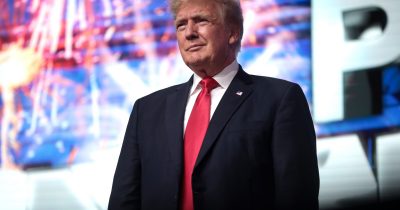
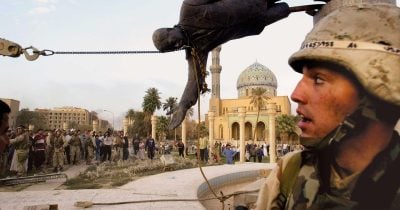
The United States and Iran have exchanged heavy strikes for the fifth consecutive day, escalating a conflict that now includes a direct threat from President Trump targeting Iranian power plants. The sustained military action is eroding what little room remained for diplomatic solutions, according to officials familiar with the situation.
What the strikes mean for diplomacy
Each new round of attacks makes it harder to bring either side back to the negotiating table. The White House has not publicly outlined any off-ramp, and Iran's leadership has signaled it will not engage under fire. The threat against power plants — infrastructure that affects millions of civilians — raises the stakes further. Diplomats who had been working behind the scenes now say those channels have largely gone quiet.
Market jitters
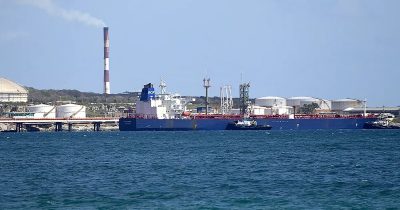
Investors are watching closely. The prolonged exchange of fire has rattled oil markets and pushed safe-haven assets higher. Traders are pricing in the possibility that the conflict could disrupt shipping in the Strait of Hormuz, a critical chokepoint for global crude supplies. The uncertainty is weighing on broader market confidence, with major indexes showing increased volatility this week.
What comes next
Neither side has shown signs of backing down. The U.S. military has not announced a timeline for the current operations, and Iran has vowed to retaliate for any damage to its energy grid. The question now is whether either government can find a way to de-escalate before the conflict spirals further. No talks are scheduled, and the window for diplomacy appears to be closing fast.