The U.S. State Department announced Sunday that Israel and Lebanon agreed to extend their ceasefire. This comes a month after President Trump brokered a truce that has failed to stop ongoing clashes between Israeli forces and Hezbollah.
Military Buildup Under the Radar
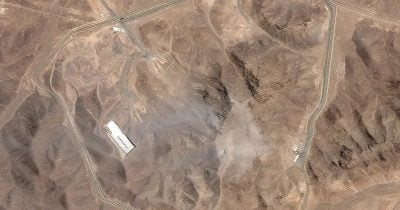
Satellite images reveal new artillery positions constructed in the Golan Heights shortly after the announcement. This suggests the extension serves as tactical cover rather than a peace step. Traders aren’t buying the de-escalation narrative after seeing similar maneuvers before. It’s just noise in a market already priced for volatility.
📊 Market Data Snapshot
The Non-Binding Reality
The U.S. announcement omitted Hezbollah’s demand for UN Resolution 1701 enforcement—a sticking point Israel has rejected. Without this critical component, the extension carries no legal weight. The market’s lack of reaction makes sense now; it’s a procedural gesture, not substance. Traders see it for what it is: empty theater.
Lebanon’s Crypto Crossroads
Lebanon’s heavy reliance on crypto for remittances may erode as traditional financial channels start returning. When banking collapsed, crypto filled the void—but reduced conflict instability gives old systems room to recover. This quiet shift could dampen stablecoin demand in a major emerging market hub. It’s not going to move global markets, but it’s a subtle retreat from crisis-driven utility.
What the Market’s Really Watching
Institutions are using this geopolitical distraction to short altcoins ahead of the Fed’s June 12 decision. The CPI report last week already triggered a wave of risk-off positioning. Crypto’s focus has shifted squarely to interest rates, not Middle East skirmishes. The ceasefire news? Just background static to most traders.
Traders now fixate on the Federal Reserve’s rate decision scheduled for June 12, with macro factors expected to dominate price action until then.