The US naval blockade of Iranian ports remains firmly in place, even after President Trump announced the restrictions had been lifted. American warships continue to patrol key shipping lanes in the Persian Gulf, stopping and inspecting vessels bound for Iran. The ongoing deployment contradicts the president's earlier statement and keeps a lid on regional tensions that had briefly seemed to ease.
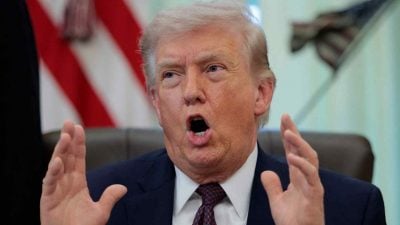
What Trump Said
Trump told reporters last week that the blockade was over. He didn't offer details or cite any policy change. The Pentagon issued no new orders, and naval commanders on the ground received no word to stand down. Ships that had been enforcing the blockade stayed exactly where they were.
The discrepancy raises questions about how the administration communicates military policy. It also leaves shipping companies guessing about the real state of play in the Gulf.
The Blockade on the Water
The blockade works like this: American destroyers and patrol craft intercept vessels heading to or from Iranian ports. They demand cargo manifests, inspect holds, and sometimes turn ships away. The process adds days to voyages and drives up insurance premiums for the entire region.
Oil tankers have been hit hardest. Iran's crude exports, already squeezed by sanctions, now face physical barriers at sea. Some ships sit idle off the coast, waiting for clearance that rarely comes. Others detour around the Arabian Peninsula, burning extra fuel and time.
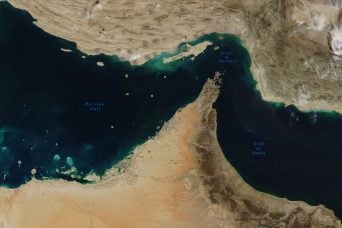
The Strait of Hormuz, a chokepoint for about a fifth of the world's oil, sees the heaviest traffic. The blockade there has created a bottleneck. Vessel-tracking data shows longer queue times and fewer Iranian-flagged ships moving through the strait.
Regional Stability and Trade
Neighboring countries feel the strain. The United Arab Emirates and Saudi Arabia rely on those same waters for their own exports. When the blockade slows traffic, it hits their economies too. Gulf states have publicly backed Washington but privately worry about the collateral damage.
Global maritime trade doesn't escape either. Container ships carrying consumer goods, electronics, and food pass through the Persian Gulf on their way from Asia to Europe. Delays there ripple across supply chains. The blockade adds another layer of uncertainty to an already fragile shipping market.
Military tensions remain high. Iranian patrol boats shadow American ships. There have been close calls—standoffs that could escalate into open confrontation. Neither side has backed down.
Unresolved Orders
The Pentagon has not explained why the blockade persists. Trump's claim of a lift appears to have been unilateral, with no follow-through from the chain of command. Until the orders actually change, the blockade stays. Shipping companies, insurers, and regional governments are left watching the same ships, waiting for a signal that hasn't come.