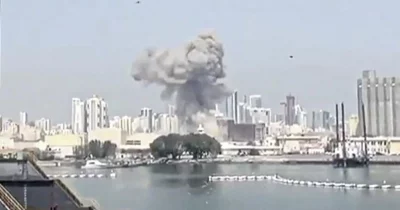
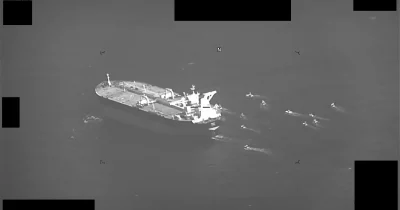
The US military launched defensive airstrikes on Iranian targets near the Strait of Hormuz on Thursday, a move that threatens to destabilize global oil markets and send shockwaves through energy and financial systems worldwide. The Pentagon described the strikes as a direct response to what it called imminent threats to American forces and commercial shipping in the strategic waterway.
Why the Strait of Hormuz matters
Roughly a fifth of the world's oil passes through the Strait of Hormuz, the narrow channel connecting the Persian Gulf to the open ocean. Any military escalation near that chokepoint raises immediate questions about supply disruptions. The US military's action, even if framed as defensive, injects a dose of geopolitical risk that oil traders and investors have been bracing for since tensions with Iran began rising months ago.
Oil markets brace for volatility
The airstrikes come at a time when crude prices are already sensitive to supply-side anxieties. Global benchmark Brent crude is likely to see upward pressure as market participants factor in the possibility of a broader conflict. The risk isn't just about oil shipments — insurance premiums for tanker transit through the region could spike, and alternative routes may become costlier and slower.
Energy security is now in the spotlight. Countries that rely heavily on Gulf oil imports could face higher bills and inflationary pressure. The International Energy Agency has long warned about the vulnerability of the Strait of Hormuz. Thursday's strikes turn that warning from a hypothetical into a live variable.
Financial markets feel the heat
The fallout isn't limited to oil. Global financial markets are sensitive to energy price shocks and geopolitical flashpoints. Stock indices in Asia and Europe dipped after news of the airstrikes broke, while safe-haven assets like gold and the US dollar saw modest gains. Investors are now recalibrating portfolios to account for a scenario where the conflict doesn't stop at a single round of strikes.
Central banks in oil-importing economies may face a fresh headache: higher energy costs could slow growth and complicate inflation fights. The Federal Reserve and other major central banks have already been navigating a tight path. A prolonged oil price spike could push them toward more cautious policy decisions.
What happens next
Iran has not yet announced any military response, but the region is on high alert. The US Navy's Fifth Fleet, based in Bahrain, has reinforced patrols in the area. Oil traders are watching for any reports of disruptions to tanker traffic or further skirmishes near the Strait. The coming days will determine whether the airstrikes remain a contained incident or escalate into a broader confrontation with global economic consequences.