The US energy secretary has signaled that military action against Iran is a possible response to escalating tensions, a move that could derail already fragile diplomatic efforts and rattle global energy markets. The comments, reported Wednesday, come as the two countries remain locked in a standoff over Iran's nuclear program and regional activities.
Hint of Military Action
Speaking to reporters, the energy secretary suggested that the administration is weighing a range of options, including military force. While no specific targets or timelines were given, the remarks mark a sharp shift in tone from recent months, when the US had publicly pushed for a negotiated settlement. The official did not rule out further economic sanctions but made clear that the White House sees the current situation as unsustainable.
Diplomatic Fallout
The threat of military action threatens to undercut ongoing diplomatic channels between Washington and Tehran. European mediators had been working to restart talks on limiting Iran's uranium enrichment, but the new rhetoric is likely to harden positions on both sides. Iran's foreign ministry has not yet responded publicly, but past statements indicate that any military threats would be met with a strong response. Analysts tracking the region say the odds of a diplomatic breakthrough have dropped significantly in the past 48 hours.
Energy Market Risks
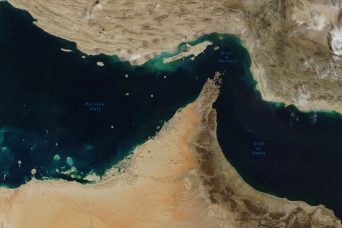
Global oil markets are already pricing in the risk of disruption. Iran sits on some of the world's largest oil reserves, and any conflict in the Persian Gulf could choke off shipping lanes that carry about a fifth of global crude supplies. The energy secretary's comments pushed benchmark crude prices higher in after-hours trading, though the gains were modest. Traders are watching for any signs of actual military deployment, which could trigger a sharper spike. A prolonged standoff would also put upward pressure on gasoline prices for US drivers, a politically sensitive issue ahead of next year's elections.
The situation leaves the US with a difficult choice: push ahead with military options that risk a wider war, or step back and try to revive talks that have so far gone nowhere. No new negotiations have been scheduled, and the window for a diplomatic solution appears to be narrowing.