A US Hellfire missile struck an oil tanker near Iran's Kharg Island on Friday, escalating regional tensions and sending ripples through crypto markets. The attack threatens Bitcoin mining margins as energy markets brace for disruption, while stablecoin volumes are climbing as traders seek a safe haven.
Missile strike near Kharg Island
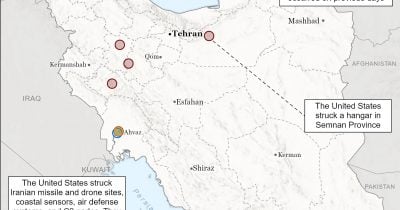
The strike hit a tanker close to Iran's largest oil export terminal, according to reports. Kharg Island handles the vast majority of Iranian crude exports, and any sustained disruption there could tighten global oil supply. The US has not officially commented on the operation, but the strike marks a significant escalation in the region.
Oil prices ticked up within hours of the news. For Bitcoin miners, who rely on cheap energy — often from natural gas or even associated petroleum gas — higher energy costs directly squeeze margins. The timing isn't great: mining profitability has already been under pressure this year.
Bitcoin miners face energy uncertainty
Bitcoin mining is energy-intensive, and miners in the Middle East and parts of Asia often source power from oil-linked grids or gas flaring. A sustained spike in oil prices or a regional conflict that disrupts energy supply chains could force some operations to scale back or relocate. No major mining firms have publicly adjusted operations yet, but the risk is now on the table.
Iran itself is a notable mining hub, with cheap subsidized electricity attracting operators. The strike near its key oil infrastructure raises questions about the stability of that power supply. Miners there may face increased scrutiny or operational hurdles if the situation deteriorates.
Stablecoins see flight to safety
On the other side of the trade, stablecoin demand is rising. Tether and USDC volumes on major exchanges have increased since the strike was reported, as traders move capital into dollar-pegged assets. This is a familiar pattern during geopolitical shocks — crypto holders often park funds in stablecoins rather than exiting the ecosystem entirely.
The move suggests traders are bracing for volatility in Bitcoin and other cryptocurrencies, not just from the strike itself but from any broader market fallout. Stablecoin inflows to exchanges have also ticked up, a sign that some may be preparing to deploy capital if prices drop further.
Next steps unclear
It's not yet known whether the strike is a one-off or the start of a broader campaign. Iran has vowed to respond, though it hasn't specified how. For crypto markets, the key variable is energy prices: if oil stays elevated, mining margins will keep shrinking. If the conflict widens, stablecoins could see even more demand as a hedge.
Traders are watching for any further military action that could disrupt oil flows and energy prices. The coming days will show whether this is a blip or the beginning of a longer shift in market dynamics.