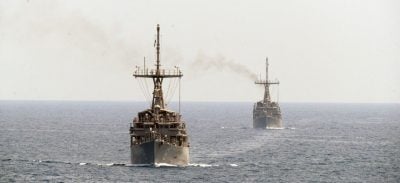
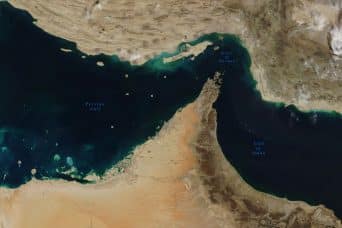
The ongoing standoff between the US and Iran is starting to choke shipping lanes in the Persian Gulf, with ripple effects already hitting Asian supply chains. The disruption threatens to push up costs and stir market volatility across the region.
Persian Gulf choke point
Shipping through the Strait of Hormuz has become a risky proposition. The US and Iran have traded threats and warnings, and commercial vessels are now facing delays, higher insurance premiums, and the possibility of being caught in the crossfire. A significant portion of the world's oil and goods move through this narrow waterway. When it gets squeezed, the pain travels fast.
Costs creep into Asian markets
Asian manufacturers and importers are starting to feel the pinch. Many rely on Middle Eastern crude and refined products that pass through the Gulf. Longer transit times and rerouted ships mean higher freight costs. Those extra expenses are already being passed along. Companies that had been counting on stable supply lines are now scrambling to find alternatives, but there aren't many.
Market volatility is building. Asian stock indexes have seen choppy trading as investors weigh the risk of a broader conflict. If the standoff drags on, the uncertainty could slow down economic activity in some of the world's busiest trade routes.
Uncertainty lingers
No one knows how long this will last. Diplomatic channels are open, but there's been no breakthrough. For now, shipping firms are taking extra precautions, insurers are raising rates, and Asian importers are bracing for more volatility. The big question is whether the region's supply chains can absorb the disruption without a major shock. That answer depends entirely on what happens next between Washington and Tehran.