A coordinated military operation by the United States and Israel has killed Ayatollah Ali Khamenei, Iran's Supreme Leader, according to sources familiar with the strikes. The attack, which took place earlier this week, immediately drew a retaliatory response from Tehran, sending shockwaves through an already tense region and rattling global financial markets.
The strike that changed a region
The joint US-Israeli operation targeted Khamenei at an undisclosed location. Details of the strike remain classified, but the outcome is clear: the man who has ruled Iran with an iron fist for over three decades is dead. The assassination marks the most direct foreign intervention in Iran since the 1979 revolution. For Washington and Jerusalem, the goal was to decapitate the regime that has funded proxies across the Middle East and pursued nuclear capabilities. For Tehran, the loss is both a strategic blow and a moment of profound uncertainty.
Iran's response and what it means
Iran retaliated within hours. The nature of the retaliation — missile strikes, cyberattacks, or proxy operations — hasn't been fully disclosed, but the fact of it is confirmed by multiple government briefings. The escalation ratchets up a conflict that was already simmering. Regional instability, already high after months of proxy wars and diplomatic breakdowns, now threatens to spiral into open warfare. The attack also increases the likelihood of regime change in Iran. Without Khamenei, the clerical establishment faces a power vacuum. Hardliners may try to consolidate control, but reformers and exiled opposition groups see an opening. Nothing is certain, except that the status quo is gone.
Global markets in turmoil
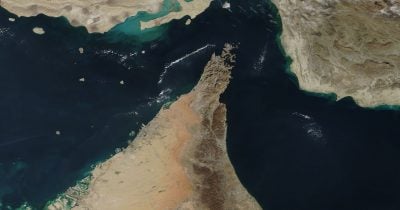
The economic impact hit fast. Oil prices spiked as traders priced in the risk of supply disruptions from the Strait of Hormuz. Stock markets in Asia and Europe dropped sharply on the news. The US dollar strengthened against riskier currencies as investors fled to safe havens. Gold rose. Bond yields fell. The uncertainty is the real driver: no one knows how far Iran will go, or how the US and Israel will respond to the retaliation. The conflict impacts global markets not just through energy prices but through supply chains, shipping routes, and investor confidence.
What happens next
Diplomatic channels are scrambling. The United Nations Security Council is set to hold an emergency session. Regional powers — Saudi Arabia, Turkey, Russia — are watching closely. The immediate question is whether Iran's next move will be calibrated or catastrophic. The US and Israel have indicated they are prepared for further strikes if necessary. The coming days will reveal whether this is the beginning of a wider war or the opening of a new political landscape. The answer will shape the Middle East for a generation.