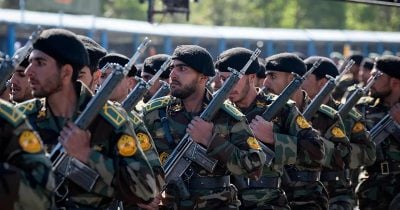
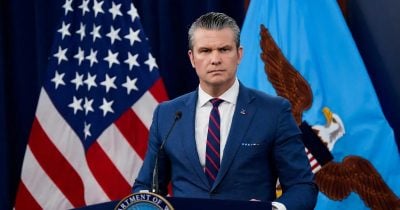
The United States has launched a campaign to isolate the Iranian regime, a decision that could set back any future diplomatic efforts and rattle market expectations across the region. The push is meant to pressure Tehran, but its ripple effects are already visible in the geopolitical and financial landscape.
A Coordinated Pressure Effort
The campaign is built around isolating Iran from the global community, likely through economic and political measures. It's a blunt instrument, designed to squeeze the regime's options. But the cost of such pressure doesn't only fall on Iran. It also narrows the space for negotiation. When one side is actively pushing the other into the corner, the incentive to talk evaporates.
That's the logic at play here. The campaign isn't a single act but a sustained strategy. It aims to make it harder for Iran to fund its activities and engage internationally. Yet the method itself carries consequences that go beyond the intended target.
The most immediate impact is on the diplomatic track. The facts are clear: this campaign may hinder future deals. That's not speculation—it's the direct outcome of creating a hostile environment. If the US is isolating Iran, then any potential agreement on nuclear or regional issues faces a steeper climb. The trust needed for negotiation gets replaced by suspicion.
In the past, there were moments when the two sides came close to a breakthrough. But a campaign of isolation sends the opposite signal. It says the US isn't interested in talking, at least not now. That closes a door that might have been open, and it does so at a time when the region is already fragile.
Market Expectations at Play
Investors have noticed. The campaign has already affected market expectations. When the US makes a move like this, traders start to price in a higher chance of conflict or instability. That can push oil prices up or down depending on the mood, but it always adds volatility. It's not just about oil, either. Currencies in the region, trade routes, and investor confidence all take a hit from the anticipation of a bigger confrontation.
The market reaction isn't about an actual incident yet. It's about the potential for one. That anticipation can move money quickly, and it's already showing in the way expectations have shifted since the campaign was announced.
Rising Geopolitical Tensions
Beyond the markets, the campaign is increasing geopolitical tensions. Iran is not a passive observer in this. A strategy to isolate it will almost certainly provoke a response. That could mean more aggressive military activity in the Gulf, or a push to sabotage diplomatic efforts of others, or a stepping up of proxy conflicts. The region is already a maze of alliances and rivalries, and this campaign adds a new layer of friction.
The end goal of the isolation campaign is to change Iran's behavior, but it's a risky path. The immediate outcome is likely to be more tension, not less. And that tension doesn't stay in one place. It spills into oil prices, into the security of shipping lanes, and into the calculations of other nations in the Middle East and beyond.
The key question now is how Iran will respond. Will it dig in, or will it seek to break the isolation through some kind of diplomatic move? The answer will shape the next few months, and it's not something anyone can guess with certainty.