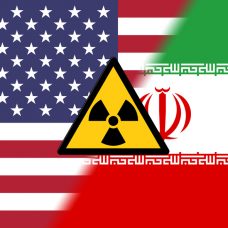
A US official named Hegseth has stated that the United States is planning a military escalation in Iran, a move that could destabilize the Iranian regime and reshape regional security dynamics. The announcement comes amid already high tensions between Washington and Tehran, raising fresh concerns about the broader impact on global diplomatic relations.
The nature of the escalation
Hegseth's statement did not detail specific military assets or timelines, but it signals a deliberate increase in US military posture toward Iran. The official indicated that escalation is intended to pressure the Iranian government, though the exact triggers or objectives remain unclear. Analysts following the region note that any such move would likely involve naval deployments, air strikes, or cyber operations—though those specifics were not part of the official's remarks.
What is clear is that the US is prepared to move beyond the current level of engagement. The statement suggests a calculated risk: a higher military footprint could force a change in Iran's behavior or, alternatively, spark a wider conflict.
Impact on Iran's regime
Hegseth highlighted the potential for destabilization of Iran's regime as a key outcome of the planned escalation. That language echoes past US strategies aimed at weakening the Islamic Republic from within. However, experts caution that military pressure alone rarely topples a government. Iran's leadership has weathered decades of sanctions and isolated strikes, and a broader campaign could rally nationalist sentiment against foreign intervention.
The regime's internal stability is already under strain from economic woes and protests. Yet the official's framing suggests Washington views military force as a lever to accelerate political change, rather than a last resort.
Regional and global repercussions
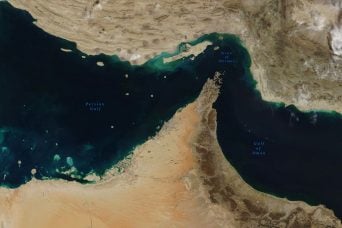
Beyond Iran's borders, the escalation threatens to upend security in the Middle East. Neighboring countries, including Iraq, the Gulf states, and Israel, would feel the immediate effects. Hegseth's statement acknowledged impacts on regional security, though he did not specify whether allies were consulted or warned.
Global diplomatic dynamics are also in play. The US move could isolate Washington further from European and Asian partners who have favored negotiations. China and Russia, both with ties to Tehran, are likely to oppose any unilateral military action. The United Nations may face renewed calls for emergency sessions, though the Security Council remains divided.
What comes next
The administration has not set a public deadline for the escalation, and Congress has not weighed in. Hegseth's remarks may be a trial balloon—testing domestic and international reaction before a final decision. For now, the region watches, and Iran's response could determine whether the situation spirals or stabilizes. Whether other nations will counter with diplomatic measures or military posturing of their own remains an open question.