The United States is preparing to implement unprecedented measures against Iran, a move that escalates tensions between the two countries and could complicate efforts to resolve their disputes diplomatically. The measures, which prioritize economic sanctions, are expected to have ripple effects on global markets and regional stability.
The shape of the new measures
Details of the planned actions have not been made public, but officials describe them as unprecedented in scope. The focus is clearly on economic pressure, with sanctions as the primary tool. This marks a significant departure from previous approaches, which often combined limited sanctions with diplomatic outreach.
What makes these measures different is the scale. Past sanctions targeted specific sectors or individuals. The new package appears designed to hit Iran's economy broadly, potentially cutting off entire revenue streams. The exact list of targets remains unclear, but the intent is to maximize economic pain.
Diplomatic costs
The escalation comes at a delicate moment. Diplomatic channels between Washington and Tehran have been strained for years, and this move could close them further. The fact that the measures are described as unprecedented suggests a hardening of positions on both sides.
Negotiations, if any were underway, are now likely to stall. Iran may view the sanctions as a direct challenge, prompting a retaliatory response. That cycle of action and reaction could make any future talks nearly impossible. The window for a diplomatic resolution, already narrow, appears to be shrinking.
Market and regional fallout
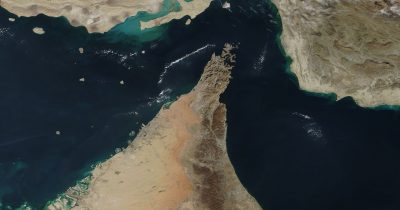
Global markets are bracing for the impact. Sanctions on a major oil producer like Iran typically send energy prices higher, and the uncertainty alone can trigger volatility. Investors are watching for signs of how Iran might respond, whether through disruptions in the Strait of Hormuz or other measures that could affect supply chains.
Regional stability is also at risk. Iran's neighbors, already dealing with conflicts and economic pressures, could be drawn into the fallout. The sanctions may embolden some actors while isolating others, shifting alliances in unpredictable ways. The full consequences will take time to unfold, but the immediate effect is a more volatile environment.
The US move is a calculated bet that economic pressure will force a change in Iranian behavior. Whether that bet pays off is an open question. What is certain is that the risk of miscalculation has risen sharply.
The implementation is expected to proceed in the coming weeks, though no exact date has been set. How Iran responds, and how quickly markets adjust, will determine whether this escalation leads to a new crisis or a reluctant return to the table.