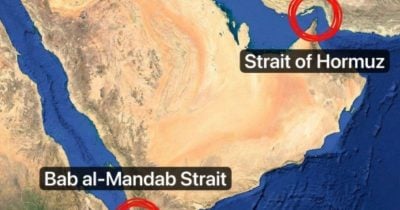
US military strikes are intensifying along Iran's southern coastline, turning the area into what officials describe as a war zone. The escalation is rattling global oil markets and raising fears that the conflict could derail plans for monetary easing. Risk assets from stocks to currencies are already feeling the pressure.
Oil Supply Under Threat
The strikes come as the world's oil supply chain faces its most serious test in years. Iran's southern coast is a critical chokepoint for crude shipments, and the fighting there threatens to disrupt flows. Traders are bracing for potential supply cuts, though no specific production figures have been released. The situation is pushing oil prices higher, adding to inflationary pressures that central banks had hoped were easing.
Monetary Policy in Limbo
The rising tensions could force central banks to delay their plans to loosen monetary policy. Policymakers had been signaling rate cuts later this year, but a sustained spike in energy costs would complicate that calculus. The uncertainty is already showing up in bond markets, where yields are moving in response to the shifting outlook. No official statements have been made yet, but the direction is clear: the conflict is becoming a factor in rate decisions.
Risk Assets Take a Hit
Stock markets are sliding as investors flee to safer assets. The escalation adds to a list of geopolitical worries that have kept volatility high. Currencies of oil-importing nations are weakening, while the dollar is gaining as a haven. The moves are broad, hitting everything from emerging-market equities to corporate bonds. The question now is how long the strikes will continue and whether they will expand beyond the coastal region.
For now, the world watches the southern coast of Iran. The next few days will determine whether the conflict remains contained or spirals further, with consequences for oil prices, interest rates, and global financial stability.