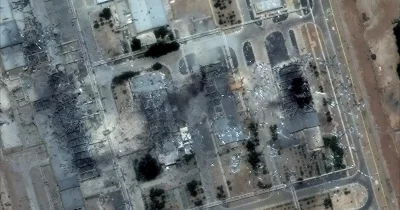
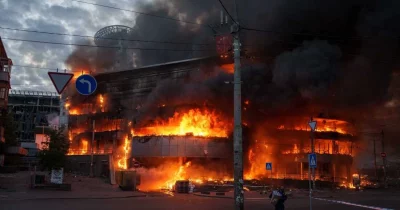
The United States has launched military strikes on the Iranian port city of Bandar Abbas, even as diplomatic negotiations between the two countries remain underway. The strikes, which occurred this week, have not halted the talks, according to officials familiar with the situation. The dual track of conflict and diplomacy underscores the deep and persistent tensions that have defined US-Iran relations for decades.
Strikes hit a strategic port
Bandar Abbas sits on the Strait of Hormuz, a narrow waterway through which about one-fifth of the world's oil passes. The city is a hub for both commercial shipping and Iranian naval operations. The US military has not detailed the targets or casualties, but the choice of location signals a willingness to exert pressure on Iran's strategic assets while maintaining a channel for dialogue.
Talks continue despite the bombardment
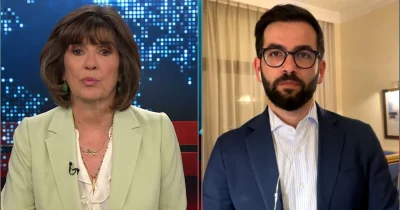
Negotiators from both sides are still meeting, though the talks have grown more tense since the strikes. Neither government has publicly described the agenda, but the central issues remain Tehran's nuclear program, its support for regional proxies, and US sanctions. The fact that negotiations haven't collapsed suggests both capitals see value in keeping the diplomatic door open, even as the military campaign escalates.
Regional stability and market jitters
The strikes have rattled regional allies and raised the temperature in the Persian Gulf. Shipping insurance rates have ticked up, and oil prices have seen short-term volatility. Global markets are watching closely: any sustained disruption to tanker traffic out of the Strait of Hormuz would push energy prices higher and strain economies already dealing with inflation. For now, the situation remains contained to the immediate military actions, but traders are pricing in the risk of a wider conflict.
The combination of bombing and talking is not new in US-Iran history, but the current round feels particularly precarious. Both governments have signaled they are willing to use force and diplomacy at the same time, a strategy that leaves little room for miscalculation.
What comes next
The talks are scheduled to resume next week, though no location or specific agenda has been confirmed. Whether the strikes expand or de-escalate will depend in part on what happens at the negotiating table. For now, the US has not indicated whether further military operations are planned, and Iran has not responded with direct retaliation. The next few days will tell whether this dual strategy can produce a breakthrough — or if it will push both sides closer to a broader confrontation.