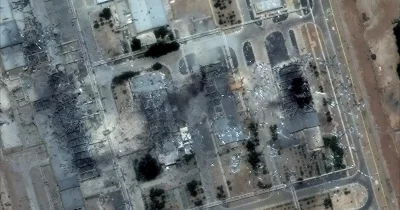
The United States has conducted military strikes against Iranian military targets, Secretary of State Marco Rubio confirmed, as negotiations between the two countries approach completion. The dual track of military action and diplomacy could destabilize global oil markets, sending ripple effects through inflation and central bank policies worldwide.
What Rubio Confirmed
Rubio’s confirmation came without a detailed timeline or a full list of targets struck. He described the strikes as directed at Iranian military assets, though he did not specify whether the operations were a one-off or part of a broader campaign. The confirmation arrived just as diplomatic talks — which have been ongoing for months — appear to be entering their final phase.
Why the Strikes Happened Now
The timing of the strikes, so close to a potential deal, has raised questions about whether the military action is meant to apply pressure or to act as a fallback if talks stall. Rubio did not directly link the strikes to the negotiations, but the near-simultaneous developments suggest a deliberate strategy. The White House has not yet issued a separate statement, leaving analysts to parse Rubio’s words for clues.
The Oil Market Risk
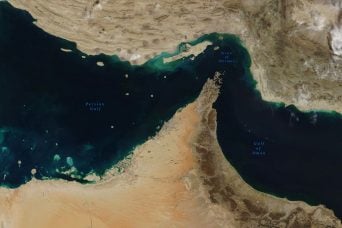
Oil markets are notoriously sensitive to conflict in the Middle East. Iran is a major producer, and any disruption to its exports or to shipping through the Strait of Hormuz could tighten supply. Even without immediate disruption, the uncertainty alone can push prices higher. A sustained price jump feeds into broader inflation, which central banks are still struggling to control after the post-pandemic spike. The combination of military action and diplomacy — an unpredictable mix — makes it harder for traders to price in risk.
How Central Banks Might React
Central banks, particularly the Federal Reserve and the European Central Bank, have spent the past two years trying to bring inflation down to target. A new oil shock would complicate that effort. If prices rise, central banks may have to keep interest rates higher for longer, or even raise them again. That could slow economic growth. The timing is especially awkward: many central banks had begun signaling that rate cuts were possible later this year. Now those plans may be on hold.
The full impact depends on how long the strikes last, whether Iran retaliates, and whether the diplomatic track actually produces a deal. Rubio offered no timeline for the talks, and no indication of what a completed agreement would look like. For now, the markets wait — and central banks watch the oil price ticker more closely than they did a week ago.