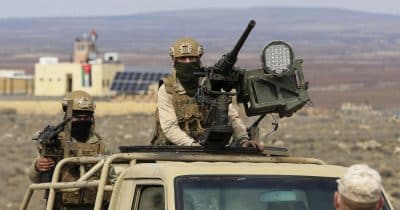
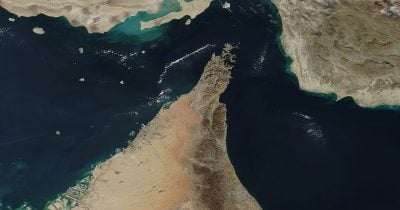
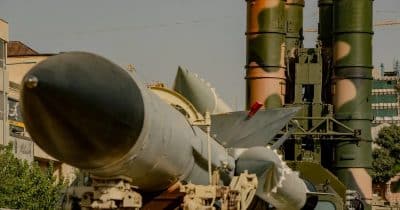
The United States military launched strikes on Iran early Wednesday after an Apache helicopter was shot down near the Strait of Hormuz. The attack followed weeks of rising tensions in the region and marks a sharp escalation between the two countries. For crypto markets, the immediate concern isn't the fighting itself — it's what happens to oil flows through the strait, and what that does to energy costs and inflation.
Why the Strait matters for crypto
The Strait of Hormuz is the world's most important oil chokepoint. About a fifth of global petroleum passes through it daily. Any disruption — even a credible threat — ripples into energy prices. Higher oil means higher transport and production costs, which feed into inflation. And inflation is the macroeconomic force that has the most direct effect on risk assets like Bitcoin and Ethereum.
This isn't a theoretical risk. When tensions in the strait flared in the past, crude prices spiked and the dollar strengthened. Both moves typically pressure crypto prices, especially in the short term. The question now is whether this strike is a one-off or the beginning of a sustained campaign.
What traders are watching
The biggest unknown is how Iran responds. A retaliatory strike on shipping in the strait would be the worst-case scenario for energy markets. That could push oil above $100 a barrel quickly, forcing central banks to keep rates higher for longer — the exact environment that crushed crypto through 2024 and 2026's first half.
There's also the timing. This happens just as the Federal Reserve is expected to deliver its next rate decision next week. A sharp rise in energy costs could change the calculus, making a pause or cut less likely. For crypto, rate cuts were the main bullish catalyst priced in for late 2026.
No clear exit
The Pentagon hasn't said whether more strikes are planned. Iran's government called the attack a violation of international law and reserved the right to respond. Diplomatic channels are open but tense. For now, the Strait of Hormuz remains open, but insurance rates for tankers are climbing — a sign the market expects trouble.
What happens next depends on whether both sides step back or escalate further. For crypto investors, that means watching oil futures as closely as Bitcoin charts. The two have rarely been more connected.