The probability that shipping through the Strait of Hormuz will return to normal by the end of the year has fallen to 52.5% on the prediction market Polymarket, as U.S. forces struck Iranian targets for a ninth consecutive night. The ongoing strikes, reported by Central Command, are deepening uncertainty over regional stability and the timeline for reopening one of the world's most critical oil chokepoints.
The Odds Shift
Polymarket, a decentralized platform where users bet on real-world outcomes, now shows a 52.5% chance that Hormuz traffic will normalize by Dec. 31. That's down from higher levels earlier in the campaign, though the exact previous figure was not disclosed in the available data. The slide reflects growing doubt among traders that the standoff will resolve quickly.
The market asks a simple yes-or-no question: Will the Strait of Hormuz see normal commercial shipping traffic by year-end? A 52.5% probability means the crowd sees it as a coin flip — barely more likely than not. The drop suggests the ninth night of strikes has eroded confidence further.
Nine Nights of Strikes
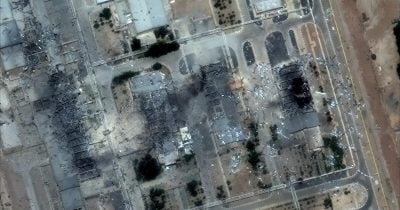
U.S. Central Command confirmed the latest round of strikes against Iran, marking the ninth consecutive night of operations. The military has not disclosed specific targets or the scope of damage, but the sustained campaign signals a deliberate escalation. Each night of bombing adds to the uncertainty for shippers, insurers, and energy markets that rely on the strait.
The Strait of Hormuz is a narrow waterway between Iran and Oman, through which about 20% of the world's oil passes. Any disruption there can send shockwaves through global energy prices. So far, the strikes have not led to a full closure, but the risk of a miscalculation or a broader conflict remains high.
What the Odds Mean for Shipping
For shipping companies and oil traders, the Polymarket odds are one more data point in a fog of war. The 52.5% figure suggests the market sees a real chance that normal traffic won't resume by year-end. That could push up insurance premiums for vessels transiting the region and encourage some shippers to reroute, adding costs and delays.
No official data on current traffic volumes through the strait was released alongside the odds. But the trend is clear: the longer the strikes continue, the more the market bets against a quick return to normal.
What Comes Next
The next few days will be critical. If the U.S. continues its nightly strikes, the odds could slip further. If there's a diplomatic opening or a unilateral halt, they might rebound. For now, the Polymarket crowd sees a coin flip — and the ninth night of bombing just made the coin a little heavier on the side of disruption.