The U.S. military launched strikes on an Iranian site in the Strait of Hormuz and intercepted multiple drones in the same area, marking a sharp escalation in the region. The operation, confirmed by defense officials, comes amid rising tensions between Washington and Tehran that now threaten to destabilize security across the Middle East and disrupt global oil shipments.
Strikes and interceptions
U.S. forces targeted what the Pentagon described as a military installation used by Iran’s Islamic Revolutionary Guard Corps. The strike was followed by the interception of several Iranian drones operating near international shipping lanes in the strait, a critical chokepoint for about one-fifth of the world’s oil supply. No further details on the number of drones or the extent of damage at the site have been released.
The actions represent the first direct U.S. military engagement with Iranian forces in the area since the current round of tensions began. Previous confrontations had been limited to tit-for-tat cyberattacks and proxy operations.
Oil trade at risk
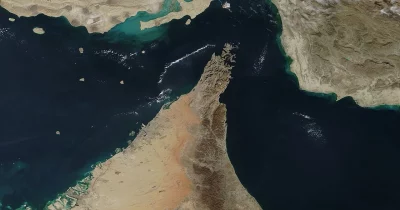
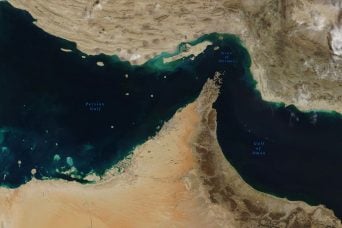
The Strait of Hormuz is a narrow waterway between Oman and Iran through which roughly 21 million barrels of oil pass each day. Any sustained disruption there could send global crude prices soaring and strain economies that rely heavily on Middle East imports.
Oil markets have already reacted, with Brent crude futures rising more than 3% in early trading. Analysts are watching for further moves from Tehran, including potential retaliation against commercial vessels or oil infrastructure in neighboring countries.
Regional security concerns
The escalation has alarmed Gulf states, which have long feared being caught in the crossfire of a U.S.-Iran conflict. Saudi Arabia and the United Arab Emirates have both called for restraint, while Iraq and Qatar have offered to mediate. The U.S. Navy’s Fifth Fleet, based in Bahrain, has increased patrols in the area, and additional air defense systems have been moved to allied bases.
Iran has not yet officially responded to the strike, but state media reported emergency meetings of the Supreme National Security Council. The country’s foreign ministry condemned the “unprovoked aggression” and warned of consequences.
The incident comes less than a week after Iranian-backed militia groups in Iraq and Yemen launched attacks on U.S. positions, suggesting a coordinated campaign. Washington has said it reserves the right to defend its forces and interests.
What comes next
The UN Security Council is expected to hold an emergency session within the next 48 hours at the request of the United States and the United Kingdom. Meanwhile, the International Maritime Organization has urged all vessels transiting the strait to exercise extreme caution. The Pentagon has not ruled out further strikes if Iranian forces continue to threaten shipping.