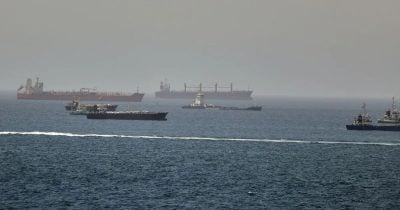
The United States is considering military action to force open the Strait of Hormuz, a move that could escalate already dangerous tensions with Iran and send shockwaves through global oil markets. With roughly a fifth of the world's petroleum passing through the narrow waterway, any disruption threatens to upend supply chains and inflate energy prices worldwide. The situation is compounding geopolitical and economic risks that have been building for months.
Why the Strait of Hormuz Matters
The Strait of Hormuz connects the Persian Gulf to the Gulf of Oman and the open ocean. Iran has long used its position there as leverage, threatening to block or restrict passage in response to Western pressure. For the US, keeping the strait open is a matter of both economic security and military credibility. A closure would cut off oil exports from Saudi Arabia, Iraq, Kuwait, the UAE and Qatar — practically all the major producers in the region — and send crude prices soaring almost overnight. Analysts have warned that even a brief shutdown could trigger a global recession, though the White House has not publicly detailed its contingency plans.
The Escalating US-Iran Standoff
Relations between Washington and Tehran have deteriorated sharply in recent months. The US has accused Iran of targeting commercial shipping and backing militant groups that threaten American forces in the region. Iran, in turn, has blamed the US for sabotaging diplomatic talks and imposing crippling sanctions. The latest flashpoint appears to be Iran's increasingly aggressive posture near the strait, including reported efforts to mine shipping lanes and harass naval vessels. US officials have described the situation as untenable, and internal discussions now reportedly include the option of a direct military operation to clear the waterway.
Economic and Geopolitical Fallout
The stakes go far beyond oil prices. A military confrontation in the strait would risk drawing in other Gulf states, disrupting decades of fragile stability in a region already scarred by conflict. Insurance rates for tankers have already spiked, and some shipping companies have begun rerouting vessels — a move that adds days and millions of dollars to each voyage. Global financial markets have reacted nervously, with benchmark crude futures climbing on every new report of tensions. The International Energy Agency has said it stands ready to release emergency stockpiles, but such a measure would only blunt the impact, not remove the underlying threat.
No timeline for any military decision has been announced. The administration has not spelled out what specific steps it might take or under what conditions. What is clear is that the window for a diplomatic off-ramp appears to be narrowing. For now, the world watches the strait — and waits to see whether Washington will pull the trigger.