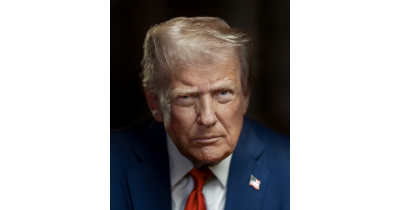
The White House announced historic trade agreements with China during President Trump's visit, a move that could stabilize global supply chains. The agreements specifically target industries reliant on rare earths and semiconductors, two sectors that have faced disruptions in recent years.
Supply chain stability
The agreements aim to ease trade barriers and reduce uncertainty for companies operating across the Pacific. Rare earths, a group of 17 elements critical for electronics, magnets, and defense equipment, have been a focal point in US-China trade tensions. Semiconductors, the tiny chips that power everything from smartphones to cars, also rely on a complex global network. By securing more predictable access to these materials, the agreements could help manufacturers plan production more reliably and lower costs.
Industries in focus
Rare earth mining and processing is heavily concentrated in China, giving Beijing significant leverage over global supply. Semiconductor production depends on a web of suppliers, many based in Asia. The new trade terms could reduce lead times and costs for American companies that import these components. The White House described the pacts as historic, though full details have not been released. The agreements could also benefit other industries that rely on stable cross-border trade, but the White House specifically highlighted rare earths and semiconductors as key beneficiaries.
What comes next
The agreements were announced during President Trump's visit, but implementation timelines remain unclear. Lawmakers and industry groups are expected to review the terms in the coming weeks. The White House has not provided a schedule for when the agreements will take effect or how they will be enforced, leaving businesses to wait for further details.