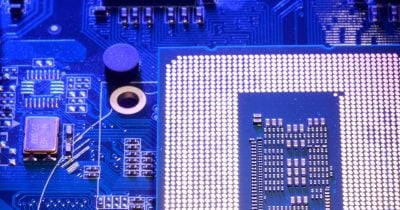
China is pushing domestic chip purchases to counter US sanctions, a shift that could redraw global tech supply chains, according to investment firm VanEck. The initiative challenges American dominance in semiconductors and could foster regional tech ecosystems.
Why Beijing is going local
The push comes as Washington tightens export controls on advanced chips and chipmaking equipment. For years, China relied on imported semiconductors from US and allied companies. Now, Beijing is steering state-backed buyers and major tech firms toward domestic suppliers, according to VanEck's analysis. The goal is to reduce dependence on foreign technology that can be weaponized in trade disputes.
This isn't just about buying local. It's about building a complete domestic supply chain, from design to fabrication to packaging. China has poured billions into its own chip industry, and the new purchasing push is designed to give those companies a reliable customer base while they scale up.
A supply chain in motion
That shift doesn't happen in a vacuum. Global chip supply chains are deeply interconnected, with design, manufacturing, and packaging spread across countries. If China's domestic market increasingly favors local chips, foreign chipmakers could lose a major customer base. At the same time, Chinese suppliers gain scale and experience, which could make them more competitive internationally.
VanEck suggests this could accelerate the fragmentation of the semiconductor industry into distinct regional blocs. Instead of one global market, you might see a US-led bloc, a China-led bloc, and perhaps a European or Asian middle ground. That has implications for pricing, innovation, and even national security.
The challenge to US leadership
The US has long dominated semiconductor design and advanced manufacturing. China's local-first approach directly challenges that position. By nurturing domestic champions and encouraging adoption, Beijing aims to build a self-sufficient ecosystem that doesn't rely on American technology.
That doesn't mean the US loses its edge overnight, but it does create a parallel track that could erode US influence over global tech standards and pricing. If China's domestic chips become good enough for most applications, the US may find its export controls less effective over time.
Regional ecosystems take root
The push also fosters regional tech ecosystems. As Chinese chipmakers grow, they attract supporting industries—materials, equipment, software, and talent. This creates a virtuous cycle that strengthens China's tech independence. VanEck notes that this could lead to a more multipolar semiconductor world, where innovation happens in multiple hubs rather than one dominant center.
For companies outside China, this means adapting to a world where they may need to choose sides or build parallel supply chains. For consumers, it could mean more diverse options but also higher costs if trade barriers rise.
The question now is whether Chinese chipmakers can scale fast enough to meet domestic demand, and how US policy responds to a more fragmented global chip market. VanEck's assessment points to a longer-term shift, but the pace of China's domestic adoption remains an open question.