Why the meeting was called
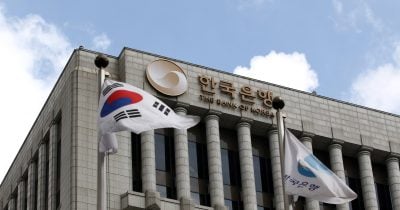
The ministry didn't specify the exact trigger, but the decision to convene an emergency session points to heightened anxiety over market instability. South Korea has a history of swift regulatory responses to financial turbulence, and this meeting suggests officials see risks that could spread beyond traditional markets. The timing — mid-July, with global markets already jittery — adds urgency.
Translation:बैठक क्यों बुलाई गई
मंत्रालय ने सटीक ट्रिगर निर्दिष्ट नहीं किया, लेकिन आपात सत्र बुलाने का निर्णय बाजार की अस्थिरता पर बढ़ी हुई चिंता की ओर इशारा करता है। दक्षिण कोरिया का वित्तीय उथल-पुथल पर त्वरित नियामक प्रतिक्रिया का इतिहास रहा है, और यह बैठक बताती है कि अधिकारी ऐसे जोखिम देखते हैं जो पारंपरिक बाजारों से परे फैल सकते हैं। समय — मध्य जुलाई, जब वैश्विक बाजार पहले से ही घबराए हुए हैं — तात्कालिकता बढ़ा देता है।
Next:Potential regulatory shifts
According to the ministry's statement, the meeting has the potential to reshape financial regulations. That could mean tighter oversight of leveraged trading, new capital buffers, or rules aimed at curbing speculative flows. Investment strategies across asset classes may need to adapt if Seoul moves to limit risk-taking. The crypto sector, in particular, is bracing for possible new compliance requirements.
Translation:संभावित नियामक बदलाव
मंत्रालय के बयान के अनुसार, बैठक में वित्तीय नियमों को नया रूप देने की क्षमता है। इसका मतलब लीवरेज्ड ट्रेडिंग पर कड़ी निगरानी, नए पूंजी बफर, या सट्टा प्रवाह को रोकने के उद्देश्य से नियम हो सकते हैं। यदि सियोल जोखिम लेने को सीमित करने के लिए कदम उ