Conflicts are knocking out a staggering 45 million barrels of oil per day, forcing rationing across the globe and setting the stage for price increases that will be felt in every economy. The world is already operating on the shock, and governments are starting to rethink how they buy, sell, and secure energy.
The 45-Million-Barrel Gap
The number alone tells the story: 45 million barrels a day is a rupture in the global supply system, not a slow leak. That volume is enough to tip the balance between what the world produces and what it consumes. And the effects are immediate. Rationing is already underway in a number of places, with businesses and households being told to cut back, and with some officials implementing formal limits on purchases.
What does rationing look like in practice? It goes far beyond the pump. Diesel for trucks and farm equipment, heating fuel for homes and offices, and the raw feedstocks that make plastics and chemicals all come from that same barrel. When a chunk of supply disappears, every part of the economy that relies on petroleum faces a squeeze. Some are seeing outright caps on how much fuel they can buy. Others are getting a different signal: price. Higher prices are acting as a de facto rationing tool, and they are spreading.
Rationing: From the Pump to the Warehouse
The rationing is not confined to a single country or region. It is showing up in different ways depending on where you look. In some areas, drivers are finding stations with reduced hours and limited fuel. In others, industrial customers are being told they will get less than they ordered. The common thread is that there's no longer enough to go around, and the supply system is allocating the pain.
For businesses, the timing is brutal. Many are coming out of a period of high inflation, and now they are facing another round of input costs that they can't absorb. They are being forced to choose between cutting output, raising prices, or eating thinner margins. The pressure is particularly hard on sectors like shipping, farming, and manufacturing, where fuel is a central cost and there is no easy substitute.
The Global Economy Feels the Pinch
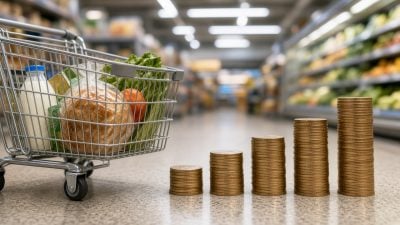
The economic impact is already visible. When oil prices climb, the cost of moving goods rises with them, and that shows up on store shelves and in delivery fees. The disruption hits developed and developing economies alike, but the most vulnerable are the ones with the least room to adapt. They are forced to decide between paying for fuel and paying for food or medicine.
It is not just about the pump. The knock-on effects extend to electricity prices, since many generators still burn oil, and to the wider cost of doing business. The longer the disruption lasts, the deeper the hit to growth. Some of the worst effects may not appear for months, but the groundwork is being laid now.
Strategic Policy Shifts Underway
Governments are not just reacting day to day. The scale of the crisis is prompting a rethinking of energy policy at a strategic level. Some are accelerating efforts to diversify away from oil, looking at alternatives, including renewables and other sources. Others are re-examining their own reserves, their supply agreements, and the assumptions they have made for years about the reliability of imports.
The direction is clear: the era of cheap, guaranteed oil is no longer a given. The disruption has exposed how tightly the global economy is woven into the oil supply chain, and how fast that chain can break. Policy shifts are being drafted with that lesson in mind, even if the full details are not public yet.
The next few weeks will be telling. If the conflicts continue, rationing could tighten further and price pressures could escalate. The question is whether the world's energy systems can absorb the shock without a deeper economic slump. That answer is still up in the air.