A sharp rebuke from Doha
->도하의 날카로운 비난
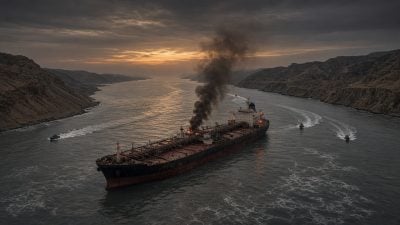
Then:Qatar's condemnation was direct. The government said the attack heightens regional tensions and threatens maritime security, a stance that underscores how fragile the Gulf's equilibrium has become. The assault on the tanker, operated by the Abu Dhabi National Oil Company, is the latest incident to test the region's nerves. It also signals that no commercial vessel is safe from the escalating friction between Iran and its neighbors.
Translation:카타르의 규탄은 직접적이었다. 정부는 이번 공격이 지역 긴장을 고조시키고 해상 안보를 위협한다고 밝혔다. 이는 걸프 지역의 균형이 얼마나 취약해졌는지를 강조하는 입장이다. 아부다비 국영석유회사가 운영하는 유조선에 대한 공격은 이 지역의 신경을 시험하는 최신 사건이다. 또한 이는 이란과 이웃 국가들 사이의 확대되는 마찰에서 어떤 상업 선박도 안전하지 않다는 것을 시사한다.
Next:While Qatar did not specify the exact nature of the attack, the mere fact that it chose to speak out publicly suggests a level of concern that goes beyond routine diplomatic rhetoric. The Gulf state has often walked a careful line between its own interests and the broader regional rivalry, but this time the message was unmistakable.
Translation:카타르는 공격의 정확한 성격을 명시하지 않았지만, 공개적으로 목소리를 내기로 한 사실만으로도 일상적인 외교적 수사학을 넘어서는 우려 수준을 시사한다. 걸프 국가는 종종 자국의 이익과 광범위한 지역 경쟁 사이에서 신중한 선을 걸어왔지만, 이번에는 메시지가 분명했다.
Next:Maritime security under strain
->긴장 속 해상 안보
Then:The Strait of Hormuz is the world's most important oil chokepoint, and any threat to shipping there carries global consequences. The attack on the ADNOC tanker raises serious questions about the safety of vessels transiting the area. For shipping companies and insurers, the incident is a stark reminder that the strait, which handles a significant share of global oil supplies, remains a volatile and risky passage.
Translation:호르무즈 해협은 세계에서 가장 중요한 석유 병목 지점이며, 그곳의 해운에 대한 모든 위협은 글로벌 결과를 초래한다. ADNOC 유조선에 대한 공격은 이 지역을 통과하는 선박의 안전에 대한 심각한 의문을 제기한다. 해운 회사와 보험사에게 이 사건은 상당한 비중의 세계 석유 공급을 처리하는 해협이 여전히 변동성이 크고 위험한 통로임을 뼈저리게 상기시킨다.
Next:The UAE, which owns the tanker, has not yet publicly responded to the attack, but the implications for its economy and energy exports are hard to ignore. The attack also puts other Gulf states on notice: their own fleets and cargoes could be next. That prospect alone is enough to unsettle markets and governments alike.
Translation:유조선을 소유한 UAE는 아직 공개적으로 대응하지 않았지만, 경제와 에너지 수출에 미치는 영향은 무시하기 어렵다. 이번 공격은 다른 걸프 국가들에게도 경고를 보낸다. 그들 자신의 선단과 화물이 다음이 될 수 있다는 것이다. 그 가능성만으로도 시장과 정부를 모두 불안하게 만들기에 충분하다.
Next:Diplomatic dynamics in flux
->변화하는 외교 역학
Then:The incident is likely to ripple through the region's already complex diplomatic landscape. Qatar's condemnation, while expected, adds another layer to the Gulf's shifting alliances. It also raises the stakes for other countries that have been trying to mediate between Iran and the West, as the attack could complicate any ongoing efforts to de-escalate tensions.
Translation:이번 사건은 이미 복잡한 지역의 외교적 지형에 파장을 일으킬 가능성이 높다. 예상된 바와 같은 카타르의 규탄은 걸프 지역의 변화하는 동맹에 또 다른 층을 추가한다. 또한 이란과 서방 사이의 중재를 시도해 온 다른 국가들에게 부담을 가중시킨다. 공격이 긴장 완화를 위한 진행 중인 노력을 복잡하게 만들 수 있기 때문이다.
Next:The question now is how other Gulf nations will respond. Will they follow Qatar's lead and issue their own condemnations, or will they try to avoid picking sides? The attack on the ADNOC tanker has made it clear that the Strait of Hormuz is no longer just a geopolitical abstraction—it is a flashpoint where words and actions have real consequences.
Translation:이제 문제는 다른 걸프 국가들이 어떻게 대응할 것인지이다. 그들이 카타르의 선례를 따라 자체 규탄을 발표할 것인지, 아니면 편을 들지 않으려 할 것인지. ADNOC 유조선에 대한