Iran has changed its military approach and is now warning of a broader conflict with the United States. The shift comes as tensions rise over a blockade that has disrupted shipping in key waterways. Analysts say the move could inflame an already volatile region and send shockwaves through global markets.
Why the strategy changed
Iranian officials have signaled a departure from their previous posture. The new strategy explicitly threatens a wider war with the U.S., a step that goes beyond the usual rhetoric. The exact trigger for the change isn't clear, but it follows weeks of heightened friction around the blockade. Military planners in Tehran appear to be betting that a more aggressive stance will force concessions or deter further American action.
The blockade dispute
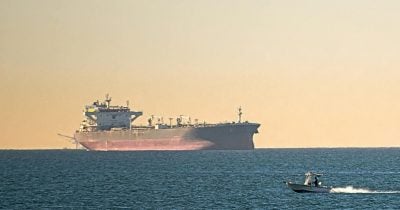
The blockade itself is the immediate flashpoint. Iran has accused the U.S. and its allies of choking off its maritime trade routes. In response, Tehran has deployed additional naval assets and warned it will not hesitate to respond to any attempt to enforce the blockade. The U.S. has not publicly confirmed a formal blockade, but Iranian leaders say the effect is the same. The standoff has already led to several close encounters between Iranian and American vessels in the Persian Gulf.
Any escalation in the region carries direct consequences for energy prices and supply chains. The Strait of Hormuz, a chokepoint for about a fifth of the world's oil, sits at the center of the dispute. Traders are already pricing in a risk premium. If the situation deteriorates into open conflict, oil prices could spike and shipping insurance rates would jump. That would ripple through economies already grappling with inflation and slow growth.
Complications for U.S. policy
The shift in Iranian strategy puts Washington in a difficult spot. The U.S. is already stretched by commitments in Europe and the Indo-Pacific. A new military confrontation in the Middle East would force difficult choices about where to deploy assets. Diplomatically, the threat of a wider war undermines efforts to de-escalate through negotiations. The Biden administration has not yet issued a formal response to the latest Iranian warnings, but officials are expected to consult with allies in the coming days.
The immediate question is whether the U.S. will adjust its own military posture or seek a diplomatic off-ramp. Iran has made clear it views the blockade as a red line. With both sides unwilling to back down, the risk of miscalculation is growing.