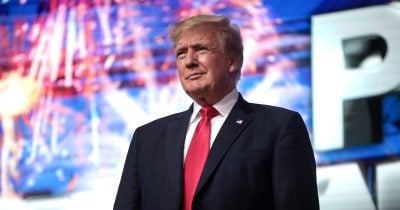
President Trump has indicated that the United States could launch intensive military attacks on Iran if economic pressure fails to achieve its goals. The warning raises the possibility of a major escalation in the long-running standoff between Washington and Tehran.
The Threat of Military Action
The president's remarks outline a clear contingency, not a formal order. If sanctions and other economic measures don't force a change in Iran's behavior, intensive attacks could follow. The exact scope of such an operation hasn't been detailed, but the language points to a significant military commitment.
Regional Destabilization
Increased military action could destabilize geopolitical relations across the region. It could also hinder diplomatic resolutions, making it harder to find a negotiated settlement. The risk extends beyond Iran's borders, potentially drawing in other nations and complicating an already volatile security picture.
Diplomatic Hurdles
Any move toward intensive strikes would likely complicate diplomatic efforts. Negotiations aimed at limiting Iran's nuclear program or addressing other disputes would become more difficult as trust erodes. Even the threat itself may narrow the space for dialogue, leaving fewer off-ramps for a peaceful resolution.
Markets on Edge
The prospect of military confrontation could also affect market perceptions and pricing. Energy markets, particularly sensitive to tensions in the Gulf, might react to the possibility of supply disruptions. Investors could also factor in the risk of a wider conflict when making decisions.
Whether the president will follow through on the threat remains unclear. The economic pressure campaign is still in motion, and no timeline for a military decision has been announced.