What Happened: A New Extension Raises Questions
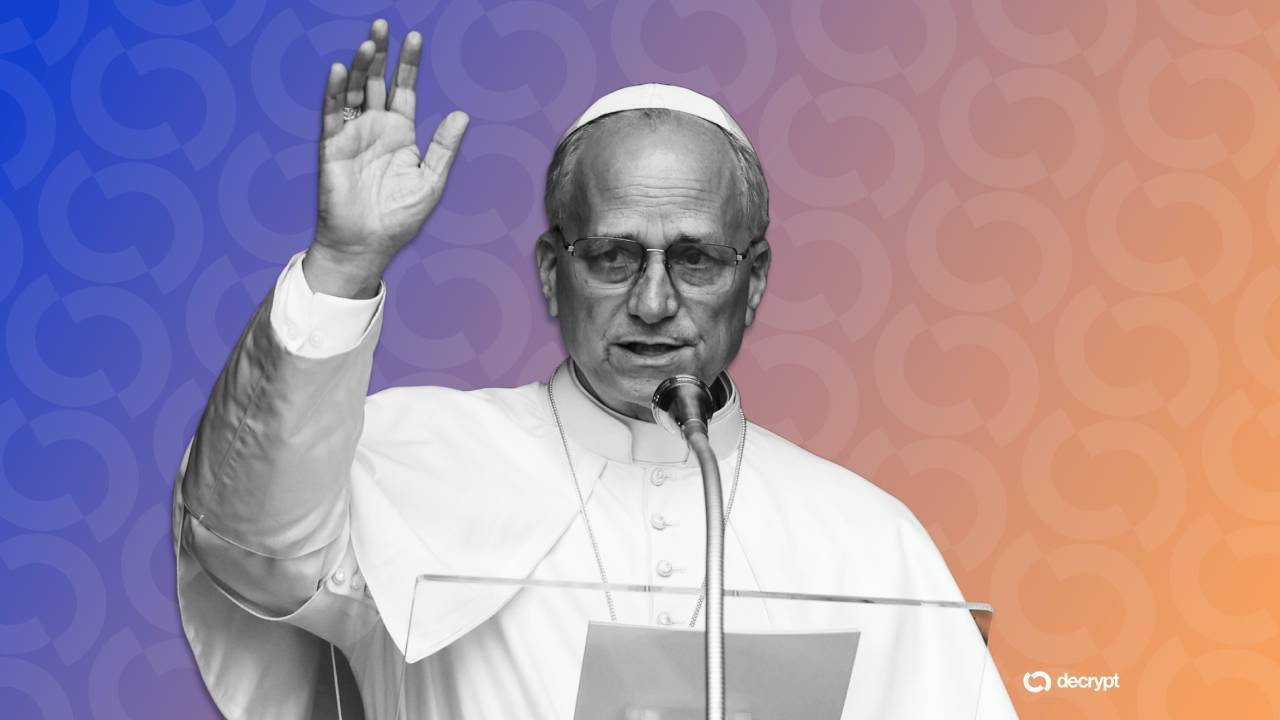
Earlier this week, Pangram Labs released a browser add‑on designed to spot text that may have been produced by artificial intelligence. When the tool was pointed at the Vatican’s official X (formerly Twitter) account, it marked several recent statements from Pope Francis as likely AI‑generated. The flagged messages echo the Pope’s long‑standing cautions about the moral and societal risks of unchecked AI development.
Why the Flagging Matters
The detection software identified patterns it associates with machine‑written prose—repetitive phrasing, certain statistical signatures, and a lack of the nuanced cadence typical of the Pope’s previous writings. If the alerts are accurate, they suggest that a digital impersonator may be spreading the pontiff’s voice without his consent, potentially amplifying his concerns about AI while muddying the source.
Expert Opinions on Detection Reliability
Researchers caution that AI‑detection tools are far from infallible. Dr. Elena Marquez, a computational linguist at the University of Barcelona, notes, "Current classifiers can generate false positives, especially when the source text is formal, short, or heavily edited, all characteristics common in papal statements." She adds that the technology is still grappling with distinguishing sophisticated language models from human authors when the content is deliberately crafted to mimic a specific style.
Key points from experts:
- Detection accuracy varies widely—estimates range from 60% to 85% depending on the algorithm.
- False positives are more likely with short, formulaic messages.
- Human verification remains essential for any claim of AI authorship.
Context: The Pope’s Real Stance on Artificial Intelligence
Regardless of the detection outcome, Pope Francis has repeatedly warned about the ethical dilemmas posed by AI. In a 2023 address to the World Economic Forum, he urged leaders to "guard the dignity of the human person" as machines become more autonomous. His recent X posts—whether written by him or not—have echoed that sentiment, highlighting concerns over privacy, job displacement, and the potential for AI to exacerbate inequality.
These recurring themes make the Pope a natural target for misinformation campaigns seeking to exploit his moral authority. By attaching his name to AI‑related warnings, a malicious actor could lend weight to a narrative that aligns with their own agenda, be it anti‑tech activism or political maneuvering.
What the Vatican Is Doing
In response to the alerts, the Vatican’s communications office issued a brief statement confirming that the Pope’s official team authors all X content and that no external AI tools were used in the recent posts. They also promised a thorough internal review and invited independent fact‑checkers to examine the claims.
Steps the Vatican plans to take include:
- Implementing stricter verification protocols for all digital releases.
- Collaborating with cybersecurity firms to monitor for deep‑fake or synthetic‑text attacks.
- Educating followers about how to recognize authentic papal communications.
Implications for Digital Authenticity
The incident shines a light on a broader challenge: as AI‑generated content becomes more convincing, societies must develop robust ways to verify authorship. Tools like Pangram Labs’ extension are a first line of defense, but they should be paired with human expertise, cryptographic signatures, and transparent publishing practices.
For journalists, marketers, and everyday users, the lesson is clear—trust but verify. When a high‑profile figure like the Pope appears to endorse a stance on AI, the stakes are high, and the need for accurate attribution is paramount.
Looking Ahead
Will AI‑generated text detection become a standard feature of every browser? Could future regulations require public figures to digitally sign every post? As the technology evolves, so will the tactics of those who seek to manipulate public discourse.
What you can do now is stay informed, question unexpected sources, and rely on multiple verification methods before sharing or reacting to sensational statements online.
Conclusion: Verify Before You React
The recent flagging of Pope Francis’ X posts underscores the thin line between genuine warning and potential misinformation. While AI‑generated text detection offers a useful clue, it is not the final word. Readers, media outlets, and institutions alike must combine technological tools with diligent human oversight to safeguard the truth. Stay alert, check the source, and help keep the digital conversation authentic.