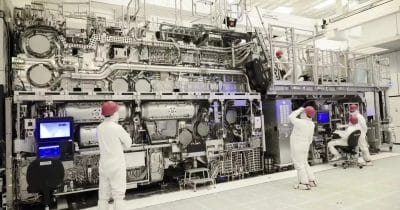
Apple and Intel have formed a partnership to pursue a $600 billion domestic semiconductor initiative aimed at expanding US chip manufacturing and cutting dependence on overseas suppliers. The deal, if realized, could reshape the global semiconductor landscape.
The initiative is designed to boost US manufacturing and reduce reliance on foreign suppliers — a vulnerability laid bare during recent chip shortages that disrupted industries from cars to consumer electronics.
The Scope of the $600 Billion Plan
The $600 billion figure covers the total investment over the life of the initiative, though specific breakdowns have not been released. It is expected to fund new fabrication plants, research and development, and supply chain infrastructure across multiple states. The investment dwarfs individual company commitments seen so far and signals a major push to bring advanced chip production back to American soil.
Why Apple and Intel Are Partnering
Apple is one of the world's largest buyers of semiconductors, designing custom chips for iPhones, Macs, and other devices. For years it has relied heavily on Taiwan Semiconductor Manufacturing Co., or TSMC, to produce those chips. Intel, a longtime leader in chip design and manufacturing, has been trying to expand its foundry business — making chips for other companies. The partnership aligns both companies' strategic goals: Apple gains a domestic supply of advanced chips, while Intel locks in a marquee customer to anchor its foundry ambitions.
Impact on Global Supply Chains
The initiative targets a reduction in reliance on overseas chip fabrication, particularly in Asia, where most advanced chips are currently made. Bringing production back to the US could shorten supply lines, lower geopolitical risk, and create thousands of high-skilled jobs. It may also pressure other chipmakers to accelerate their own domestic investments, potentially shifting the center of gravity in the semiconductor industry.
Neither Apple nor Intel has provided a timeline for when the first chips from the partnership might roll off the line. The specific manufacturing locations and technologies involved also remain undisclosed. What is clear is that the deal represents one of the largest corporate commitments to US chip production in history — and the stakes for both companies, and the country, could not be higher.