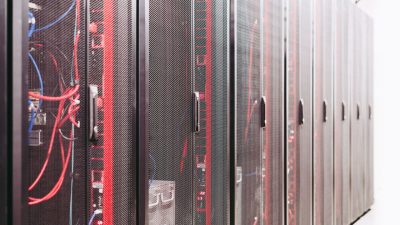
ByteDance is building custom central processing units to power its artificial intelligence infrastructure. The move comes as the company navigates global semiconductor shortages that have disrupted tech supply chains. It's a direct response to pressure on chip availability for high-demand AI workloads.
Strategic Hardware Shift
The company's internal chip development addresses a critical bottleneck. AI systems devour computing power, and standard processors can't always keep up with ByteDance's scale. Relying solely on external suppliers became untenable during the chip shortage. Designing its own CPUs gives ByteDance more control over the hardware that drives its services. It doesn't mean ByteDance will stop buying from other chipmakers. But this effort ensures some key processing needs get met regardless of market swings.
Why AI Demands Specialized Chips
AI infrastructure requires massive parallel data handling. Training models needs chips that process information faster and more efficiently than standard ones. ByteDance's existing services likely push conventional hardware to its limits. Custom CPUs can be fine-tuned for these specific tasks. They might handle neural network calculations better or reduce energy use during heavy AI processing. This isn't about replacing all servers—it's targeting the most intense AI operations where performance gaps hurt most.
Supply Chain Realities
Global chip shortages have dragged on for years. The shortage hit tech firms hard when demand spiked for devices and cloud services. ByteDance faced the same crunch as rivals: waiting longer for critical components with no guarantee of supply. Building in-house CPUs sidesteps some of that uncertainty. It doesn't fix the broader shortage overnight. But it creates a buffer for the company's most vital AI functions. The project shows how shortages force even non-hardware companies into silicon design.
What's Likely Next
ByteDance hasn't shared a timeline for the custom chips. There's no word on manufacturing partners or when they'll enter production. The company may test prototypes internally before any wider rollout. Future updates could emerge during technical conferences or investor calls. The chips probably won't appear in consumer devices. They're almost certainly for backend data centers powering ByteDance's AI services. The next concrete sign will be hiring notices for CPU architects or a patent filing.