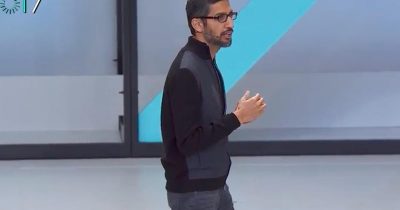
The chief executive of Google DeepMind has predicted that artificial general intelligence — machines that can perform any intellectual task a human can — could be a reality by 2030. The executive also urged societies, governments, and tech companies to begin laying the groundwork for that transition now.
What AGI Would Mean
Artificial general intelligence, or AGI, remains a theoretical concept. Unlike today's narrow AI systems that excel at specific tasks like translation or image recognition, AGI would be able to learn and reason across any domain — a capability roughly on par with a human being. Reaching that milestone has been a long-term goal for AI labs, including DeepMind, but timelines have varied widely. The CEO's prediction of 2030 puts the date at just over five years from now.
The Rationale Behind the Timeline
The CEO did not detail the specific breakthroughs that led to the 2030 forecast. But within DeepMind, researchers have long pursued algorithms that combine learning, planning, and memory in more flexible ways. Recent advances in large language models and reinforcement learning have narrowed the gap between current systems and more general intelligence. The CEO's statement suggests the internal pace of progress has accelerated enough to warrant a concrete timeline.
Why Preparation Matters Now
If AGI does arrive by the end of the decade, the implications could be broad and disruptive. The executive called for preparation — not just inside the lab but across policy, safety research, and public debate. That means working on how to align AGI systems with human values, how to manage economic shifts, and how to ensure the technology benefits a wide population rather than a small group. The CEO's warning is that waiting until AGI is already here would be too late to put guardrails in place.
DeepMind's Role in the Push
Google DeepMind, a subsidiary of Alphabet, has been one of the most prominent AI research organizations since its founding in 2010. It has produced landmark results in game-playing, protein folding, and language modeling. The company has also been a vocal proponent of AI safety, publishing papers on governance and ethics. The CEO's prediction ties together that research reputation with a sense of urgency: the lab that helped create the advanced AI is now asking the world to think about what comes next.
The 2030 timeline is a short one. Whether governments, tech firms, and international bodies can coordinate a response before the technology arrives remains an open question — one the CEO clearly hopes will be answered sooner rather than later.