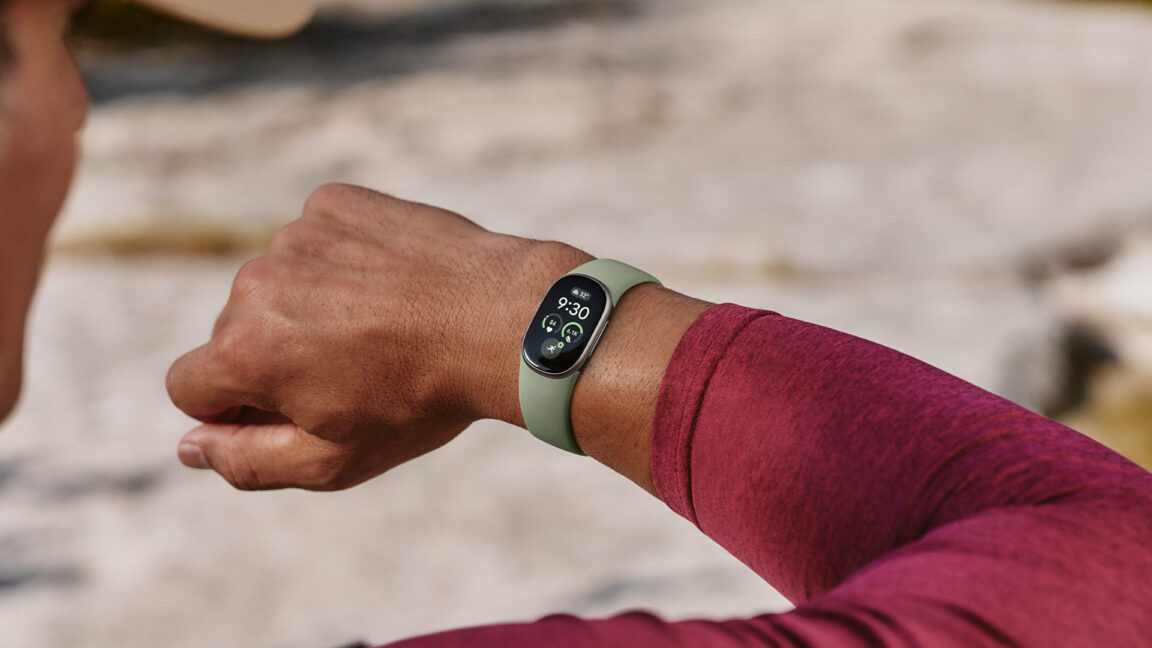
Google has officially announced the Fitbit Edge, a new fitness tracker that sits between the Fitbit Air and the Pixel Watch 5 in its wearable lineup. The device was unveiled this week after months of leaked specifications and anticipation. Its headline feature: a replaceable battery, something almost no major wearable maker offers in 2026.
A bigger screen and a physical button
The Edge carries a 46 percent larger OLED display than the Fitbit Charge 6, according to Google's announcement. That's a meaningful jump for a device in this price band. The company also added a physical side button — a small design choice that matters more than it sounds. Touchscreens on fitness trackers have been a pain point for users who sweat, wear gloves, or have limited dexterity. A real button fixes that.
📊 Market Data Snapshot
At 11.5mm thick, the Edge isn't the slimmest tracker on the market, but it's not trying to be. The replaceable battery is the trade-off. Sealed batteries let devices get thinner and cheaper to assemble. Google went the other way.
Why Google put a user-replaceable battery in a fitness tracker
This is the detail most coverage will gloss over. Replaceable batteries are rare in wearables — Apple, Samsung, and Xiaomi all ship sealed units. Google's decision runs against the industry's prevailing design philosophy.
Right-to-repair rules have been tightening across multiple markets, and device longevity is becoming a regulatory concern. The Edge looks like a preemptive move. If repairability becomes a compliance requirement for consumer electronics, Google will already have a product line that fits. Whether that's the actual motivation or a lucky side effect, the timing isn't coincidental.
There's a second angle. Fitbit Premium is a subscription business, and subscriptions depend on keeping devices in use. A tracker that dies when the battery degrades is a customer lost. A tracker with a replaceable battery can stay in service for years — and so can the subscription attached to it.
Where the Edge fits — and who it's really fighting
The Edge lands in the mid-range band between the Fitbit Air and the Pixel Watch 5. That puts it in direct competition with Xiaomi and Amazfit, both of which have spent years dominating the budget and mid-tier wearable space. Google's global wearable share remains small, well behind Apple, Samsung, and Xiaomi.
The larger OLED display and tactile button point to a specific user: someone who wants a readable screen and doesn't want to fight a touch interface. Older users, in particular, are an underserved segment in fitness tech. Apple has leaned into health features like fall detection and ECG, but a bigger display and a physical button are accessibility features that matter just as much for daily use.
Google hasn't detailed pricing or availability beyond the lineup positioning, but the product's placement in the portfolio makes the strategy clear. Pixel Watch 5 anchors the premium tier. Fitbit Air and Edge cover the middle and lower segments. The goal is to keep users inside Google's health ecosystem at every price point.
The market shrugged
Alphabet stock showed no meaningful reaction to the announcement. That's expected. Wearables are a small slice of Alphabet's revenue, and a single mid-range tracker won't change the company's valuation. The more interesting signal will come from early sell-through data and whether the replaceable battery gets picked up by reviewers as a genuine differentiator.
If it does, expect competitors to face questions about their own sealed designs. That conversation is already happening in regulatory circles. The Edge just gave it a product to point at.
Google's next earnings call will be the first real test of whether the Edge contributed anything measurable to hardware revenue. Until then, the device is a statement of intent more than a financial catalyst.