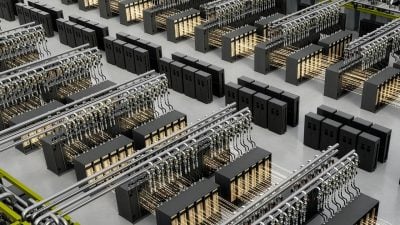
Jacobs unveiled a digital twin platform for AI data centers at NVIDIA GTC this week, aiming to boost efficiency and support sustainable growth across AI infrastructure. The platform creates virtual replicas of physical facilities, allowing operators to simulate and optimize performance before making real-world changes.
What the platform does
The digital twin is designed to give data center operators a live, virtual model of their facilities. By mirroring real-time conditions — from power usage to cooling — it lets them test adjustments and spot inefficiencies without disrupting operations. Jacobs says the goal is to improve efficiency and help AI infrastructure scale sustainably, though it hasn't shared specific performance metrics or customer case studies yet.
Why AI data centers need it
AI workloads are power-hungry and generate intense heat, making traditional data center management increasingly difficult. A digital twin can help operators understand how changes to cooling systems, server layouts, or power distribution affect overall performance. That matters as companies race to build AI capacity without driving up energy costs or carbon footprints. The platform fits into a broader push to make AI infrastructure more sustainable — a priority for both hyperscalers and regulators.
NVIDIA GTC as the launchpad
Jacobs chose NVIDIA GTC to announce the platform, a venue known for showcasing AI hardware and software breakthroughs. The event draws developers, researchers, and infrastructure providers, making it a logical spot to pitch a tool aimed at the physical layer of AI. Jacobs hasn't disclosed pricing, availability, or which partners might integrate the platform, leaving key questions unanswered for now.
What's still unclear
The company hasn't said when the digital twin will be commercially available or whether it will be offered as a standalone product or bundled with existing services. It also hasn't named any early adopters. Those details will matter for data center operators evaluating whether to invest in yet another management tool. For now, the announcement signals Jacobs' intent to compete in the growing market for AI infrastructure optimization — a space where efficiency gains translate directly into cost savings and sustainability wins.
Jacobs is expected to share more specifics in the coming months, possibly at industry conferences or through customer pilots. Until then, the platform remains a promise: a virtual replica that could help real data centers run leaner, if it delivers.