Nvidia CEO Jensen Huang has dismissed concerns that artificial intelligence will lead to widespread job losses, calling the idea 'complete nonsense.' Instead, he argued that adaptation to AI will expand employment opportunities and drive demand for infrastructure investment. The remarks came as the company continues to dominate the market for chips used in AI training and inference.
Huang's argument on employment
Speaking in a recent interview, Huang pushed back against the narrative that AI is a direct threat to human workers. He said that just as past technological shifts created new roles, AI will generate jobs that don't exist today. The key, he argued, is adaptation — workers and companies need to learn how to use AI tools effectively. Without that adaptation, he warned, the benefits of automation could be unevenly distributed.
Huang didn't offer specific job categories or timelines. But his broader point was that AI's impact on employment is often misunderstood. 'Complete nonsense,' he called the panic. The real risk, in his view, isn't that AI takes jobs — it's that organizations fail to invest in the infrastructure and training needed to make AI work for them.
Demand for AI infrastructure
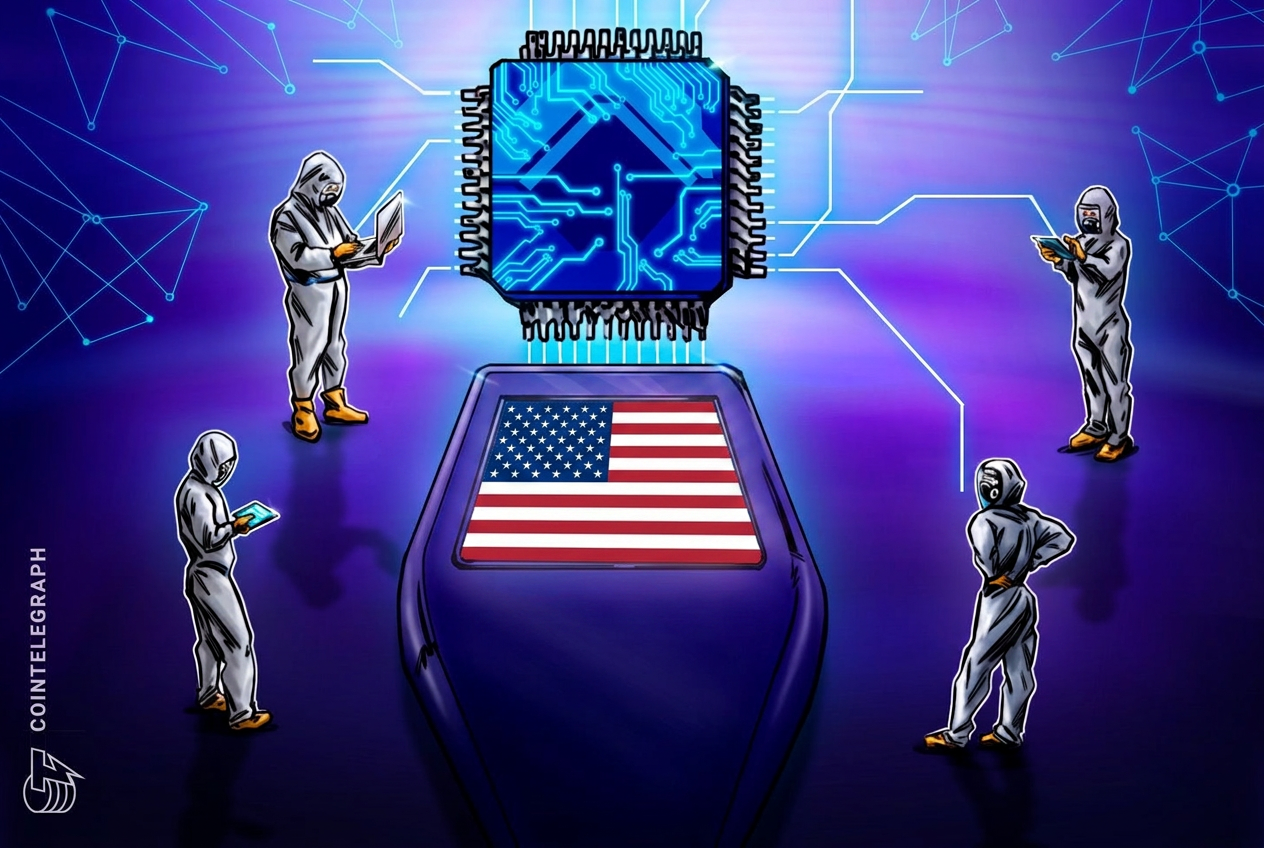
Huang also linked the job debate to Nvidia's core business. He argued that the expansion of AI will require massive investment in data centers, networking, and specialized hardware. That buildout, he said, will create construction, engineering, and operations jobs — not just in tech but across industries that adopt AI. Nvidia's own growth has already fueled hiring: the company added thousands of employees over the past year to meet demand for its H100 and upcoming Blackwell chips.
Still, critics point out that automation has historically displaced some categories of workers even as it created others. Huang’s vision assumes a smooth transition that many economists say is far from guaranteed. The debate over AI and employment remains unsettled, with no clear data yet on net job creation or destruction.
The broader context
The CEO's comments place Nvidia squarely in the camp of AI optimists — those who believe the technology will augment rather than replace human labor. Other tech leaders, including Microsoft's Satya Nadella and Google's Sundar Pichai, have made similar arguments, though with more cautious language. Huang's blunt dismissal stands out in an industry where executives often hedge on the job question.
For now, the practical test lies ahead. Companies across sectors are racing to deploy AI, and workers are wondering how their roles will change. Huang's message: get on board or get left behind. But whether that advice holds for a warehouse worker or a graphic designer remains an open question — one that won't be answered by any single CEO's assertion.