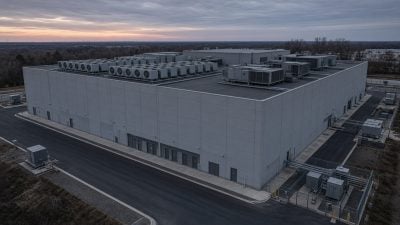
Nvidia's data centers are consuming more electricity than utilities originally promised to supply, according to internal planning documents and grid operators. The gap between forecast and reality is widening as AI workloads expand, and it's forcing a hard look at how power grids are built and regulated.
AI's appetite for energy has grown so quickly that utilities are scrambling to revise their load projections. Some data center projects tied to Nvidia's chips are drawing power at levels that exceed the capacity set aside for them, raising the risk of brownouts and delays for other customers.
Why the Forecasts Fell Short
Utilities typically plan years ahead, estimating how much electricity new industrial customers will need. Those estimates are based on historical usage patterns and expected growth. But AI data centers break that model. They run at high utilization rates around the clock, and each generation of GPUs demands more power than the last.
Nvidia's own projections for its data center deployments have outpaced what many utilities had penciled in. In several regions, the actual draw has already exceeded the contracted capacity, forcing grid operators to find extra supply on short notice. The gap isn't just a few megawatts; it's a systemic mismatch between the pace of AI adoption and the pace of grid expansion.
Grid Strain and Its Ripple Effects
The strain isn't limited to one area. Transmission lines, substations, and generation plants are all feeling the pressure. When a data center exceeds its promised load, it can destabilize the local grid, affecting homes and businesses that share the same infrastructure.
That pressure is reshaping infrastructure development. New transmission projects are being prioritized for data center corridors, sometimes at the expense of residential or commercial upgrades. Energy policy is shifting too, with regulators weighing whether to fast-track permits for new natural gas plants or extend the life of coal units to cover the gap.
Renewable projects are also caught in the crossfire. Solar and wind farms take time to build, and their output isn't always available when AI workloads spike. Utilities are now asking whether they should lock in more firm power contracts, even if that means leaning on fossil fuels longer than planned.
What the Numbers Mean for Policy
The mismatch between data center demand and utility capacity is becoming a central issue in state energy debates. Some lawmakers are pushing for stricter reporting requirements, so that data center operators and utilities disclose their actual power use against their forecasts. Others want to make grid interconnection queues more transparent, so that projects aren't approved without a clear line on where the electricity will come from.
Nvidia hasn't commented on the specific figures, but the company has acknowledged that AI's energy demands are a challenge. In its public materials, it points to efficiency gains in each new chip generation. But those gains haven't kept pace with the sheer scale of deployment.
An Unresolved Equation
Grid operators are now working through a backlog of interconnection requests, and some are telling data center developers to expect longer wait times. The next few quarters will show whether utilities can adapt their planning models fast enough to keep up with AI's growth. If they can't, the gap between what's promised and what's delivered could turn into a serious constraint on the AI industry's expansion.
The question isn't whether AI will keep growing—it will. The real test is whether the grid can be rebuilt quickly enough to carry the load.