Nvidia has unveiled a new platform called Isaac GR00T designed specifically for academic research into humanoid robots. The move comes as companies and labs race to build machines that can work alongside people in factories, warehouses, and homes. The platform aims to give researchers a standardized set of tools to speed up development.
What the platform offers
Isaac GR00T is built on Nvidia's existing Isaac robotics stack. It includes simulation environments, AI models, and hardware references that let teams design, test, and refine humanoid robots without starting from scratch. The company says the platform can handle tasks like bipedal locomotion, object manipulation, and navigation in cluttered spaces. Researchers get access to pre-trained neural networks and a digital twin framework for running thousands of simulations in parallel.
Nvidia didn't announce a specific release date but said the platform is available now to approved academic partners. A broader rollout is expected later this year.
Why humanoid robots matter now
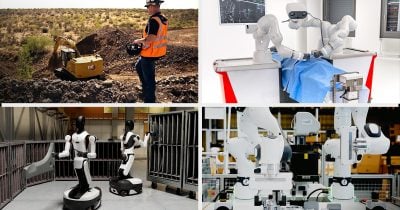
Labor shortages in manufacturing, logistics, and elder care have pushed companies to look for machines that can do jobs designed for human bodies. Humanoid robots — roughly the same size and shape as a person — can climb stairs, use tools, and fit into existing workspaces without costly retrofits. The GR00T platform is meant to lower the barrier for universities and research institutes that want to explore these possibilities.
Nvidia isn't building its own humanoid robot. Instead, it's providing the software and compute that others can use. The company already supplies chips and simulation tools to dozens of robotics startups and research groups.
Academic focus and limitations
By targeting academic researchers, Nvidia is investing in the long-term pipeline of talent and ideas. University labs have been early adopters of the company's simulation tools for autonomous vehicles and warehouse robots. Humanoid research, however, remains early-stage. Most current prototypes are slow, expensive, and far from commercial deployment.
The platform doesn't include a physical robot body — researchers must supply their own hardware or use Nvidia's simulation environment to test software. That could limit adoption to well-funded labs. The company said it will offer reference designs for actuators and sensors, but hasn't shared pricing or a list of compatible hardware partners yet.
Labor shortages aren't a new problem, and previous generations of industrial robots haven't fully solved them. Whether humanoid machines will be different is an open question.
Nvidia plans to release a full developer kit for Isaac GR00T later in 2025. The company will also host a workshop at the International Conference on Robotics and Automation in June. Researchers interested in the platform can apply for early access through Nvidia's developer portal. For now, the biggest unknown is how quickly academic teams can translate simulation results into real-world walking, working robots.