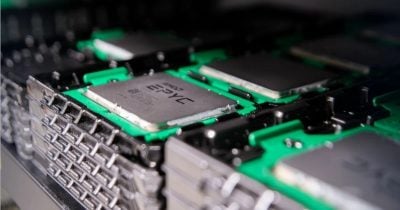
QumulusAI has signed an $18 million deal to secure Nvidia's Blackwell B300 supply, backed by a $500 million blockchain-based credit facility that uses stablecoins for GPU-collateralized lending. The arrangement marks a novel financing model for high-demand AI hardware, blending traditional chip procurement with decentralized finance.
How the deal works
The credit facility is structured around stablecoins — digital tokens pegged to fiat currencies — and uses the GPUs themselves as collateral. That means QumulusAI can borrow against the hardware it's buying, rather than tying up cash or seeking conventional bank loans. The $18 million purchase is the first draw under the broader $500 million facility, which is designed to fund multiple rounds of GPU acquisitions.
Nvidia's Blackwell B300 chips are among the most sought-after in the industry, with delivery timelines stretching months for many buyers. By using a blockchain-based lending model, QumulusAI avoids the delays and paperwork of traditional financing. The approach also lets the company scale its compute capacity without diluting equity or taking on restrictive debt covenants. For the broader AI sector, this could become a template for how startups fund expensive hardware.
The players involved
QumulusAI is the buyer. Nvidia is the supplier. The credit facility is provided by an unnamed consortium of decentralized finance protocols and institutional lenders — the facts don't name them, but the structure relies on smart contracts to manage collateral and liquidation. The deal was finalized this week, with both parties signing off on the terms.
Deliveries of the Blackwell B300 units are expected to begin in the fourth quarter of 2026. QumulusAI plans to deploy the hardware across its cloud infrastructure, offering GPU compute to AI developers. The company hasn't disclosed whether it will draw down more from the $500 million facility, but the structure is in place for follow-on purchases.