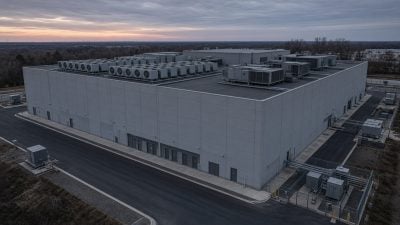
A fire and toxic gas leak at SK Hynix's chip plant in South Korea forced the evacuation of 3,600 workers on Thursday, underscoring how a single localized incident can jolt the global AI chip supply chain. The company, a major supplier of memory chips used in AI systems, has not yet disclosed the cause of the blaze or the extent of damage. But the event has already reignited calls among industry players and policymakers for more geographically diversified production.
What happened at the plant
The emergency unfolded at SK Hynix's facility in Icheon, about 80 kilometers southeast of Seoul. Workers reported a fire that quickly spread, releasing toxic gases. Company safety protocols triggered a full evacuation, with no casualties reported. Local fire crews contained the flames within hours, but the plant remains closed pending investigation.
SK Hynix said in a brief statement that it is assessing the impact on production lines. The facility is one of the company's largest, manufacturing high-bandwidth memory chips critical for AI training and inference workloads.
The incident highlights a structural weakness in the chip industry: deep geographic concentration. SK Hynix and Samsung together control more than 90% of the global market for high-bandwidth memory. Most of that production sits in South Korea, a country vulnerable to earthquakes, fires, and geopolitical tensions.
For years, chipmakers and tech giants have warned about the risks of single-region dependency. This fire is a concrete example. If the plant stays offline for weeks, it could tighten supply of memory chips just as demand from AI data centers surges. Nvidia, AMD, and other AI hardware companies rely on these chips to build the next generation of servers.
The push for diversified production
The evacuation has sharpened the debate over where chip factories should be located. The U.S. CHIPS Act and similar initiatives in Europe and Japan aim to bring fabrication back to domestic soil. But building new plants takes years and billions of dollars. SK Hynix itself is investing $15 billion in a new U.S. facility in Indiana, but that plant won't produce memory chips until 2028.
Analysts have long argued that no single disruption should be able to stall an entire industry. Thursday's fire gives that argument fresh evidence. The question now is whether it will accelerate moves to spread production across multiple countries and continents.
For the moment, SK Hynix has not provided a timeline for resuming operations at the Icheon plant. Investigators are expected to release a preliminary report in the coming days.