White House AI adviser Michael Kratsios accused Chinese startup Moonshot AI of secretly copying Anthropic's Claude model to build its own Kimi K3 model. Kratsios said Moonshot built a special platform for large-scale distillation of US models and kept switching access routes to avoid detection. Anthropic traced over 3.4 million Claude exchanges to Moonshot, originating from hundreds of fake accounts, targeting reasoning, coding, and vision skills.
The Allegations
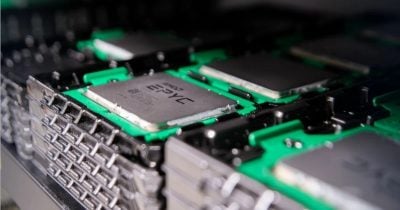
Kratsios laid out the accusations in a statement, claiming Moonshot obtained NVIDIA GB300 servers in Thailand, violating US chip export controls. He described a systematic effort to extract knowledge from Claude through repeated queries — a technique known as distillation. The White House adviser said Moonshot's actions were not a one-off but a sustained campaign using multiple access points to evade monitoring.
Anthropic's internal investigation found that the fake accounts queried Claude millions of times, focusing on the model's most advanced capabilities. The company has not publicly commented on the specific findings, but the scale of the operation suggests a coordinated effort to replicate Claude's performance.
The Kimi K3 Launch
Moonshot launched Kimi K3 on July 16, 2025, boasting 2.8 trillion parameters — making it the largest open-weight model ever released. The model was met with overwhelming demand, forcing Moonshot to pause new Kimi subscriptions within 48 hours. The company plans to release the full model weights by July 27, 2025, which would allow anyone to download and run the model independently.
The timing of the launch, just weeks after the alleged distillation campaign, raises questions about how Moonshot developed such a large model so quickly. Open-weight models can be freely modified and redistributed, amplifying concerns about safety and control.
Safety and Precedent
Anthropic has warned that copied models often lose their safety guardrails. Once open-sourced, a model can spread uncontrollably, making it impossible to patch vulnerabilities or remove harmful capabilities. This is not the first such accusation. In January 2025, White House AI czar David Sacks accused Chinese firm DeepSeek of copying OpenAI's models. DeepSeek denied the claim. Beijing called Anthropic's February findings groundless.
The pattern of allegations points to a broader tension between US AI developers and Chinese competitors. While the US still holds a 23x spending lead in AI, Chinese models continue to gain ground, often at a fraction of the cost.
No Response, No Penalties
Moonshot has remained silent on the accusations. No penalties have been announced by US regulators or chip export control authorities. The lack of immediate consequences leaves the dispute in a legal and diplomatic gray area. The full model weights are scheduled for release by July 27, a deadline that will test whether the US takes action before the model becomes widely available.