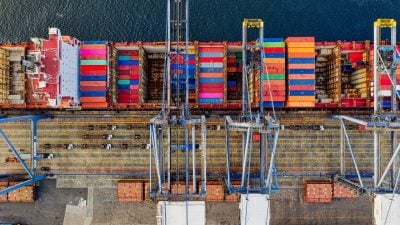
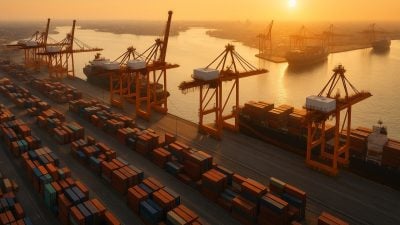
A narrow waterway with heavy traffic
->Yoğun trafiğe sahip dar bir su yolu
Then:The Strait of Hormuz is a narrow passage that connects the Persian Gulf with the Gulf of Oman. Tankers and cargo ships move through it constantly, carrying crude oil and liquefied natural gas from the region to global markets. Its geography makes it indispensable for these deliveries, and any disruption there has an outsized effect on energy trade.
Translation:Hürmüz Boğazı, Basra Körfezi'ni Umman Körfezi'ne bağlayan dar bir geçittir. Tankerler ve yük gemileri, bölgeden küresel pazarlara ham petrol ve sıvılaştırılmış doğal gaz taşıyarak sürekli olarak buradan geçer. Coğrafyası, bu teslimatlar için vazgeçilmez kılar ve oradaki herhangi bir aksama enerji ticareti üzerinde orantısız bir etkiye sahiptir.
Next:Now Iran says it wants to impose fees on those transiting ships. Exactly how much it would charge, or when it would start, hasn't been spelled out. But the idea alone has raised questions about the cost of moving oil and gas across the Middle East.
Translation:Şimdi İran, geçiş yapan gemilere ücret uygulamak istediğini söylüyor. Ne kadar ücret alacağı veya ne zaman başlayacağı tam olarak belirtilmedi. Ancak bu fikir tek başına, Orta Doğu'da petrol ve gaz taşımanın maliyeti hakkında soruları gündeme getirdi.
Next:Why Iran is turning to tolls
->İran neden geçiş ücretlerine yöneliyor?
Then:Iran's government points to fiscal strain as the driving reason. The country's economy has been under pressure for years, and the announcement comes as it looks for new sources of revenue. The Strait of Hormuz is a strategically vital waterway, and Iran's territorial waters run along parts of it. That gives it the ability to impose rules on traffic, but such a step would likely carry diplomatic and legal complications.
Translation:İran hükümeti, itici güç olarak mali sıkıntıyı gösteriyor. Ülke ekonomisi yıllardır baskı altında ve bu duyuru, yeni gelir kaynakları ararken geldi. Hürmüz Boğazı stratejik açıdan hayati bir su yolu ve İran'ın karasuları bu boğazın bazı kısımları boyunca uzanıyor. Bu, trafik üzerinde kurallar koyma yeteneği veriyor, ancak böyle bir adım muhtemelen diplomatik ve hukuki komplikasyonlar getirecektir.
Next:The official statement didn't mention how the fee would be calculated or whether it would apply to all ships or just those with specific cargoes. No exemptions were listed either.
Translation:Resmi açıklamada ücretin nasıl hesaplanacağı veya tüm gemilere mi yoksa yalnızca belirli yükleri taşıyanlara mı uygulanacağı belirtilmedi. Muafiyetler de listelenmedi.
Next:What a fee could mean for shipping
->Ücretin nakliye için anlamı ne olabilir?
Then:If the fees take effect, shipping companies would face an additional cost on every transit. That could push up the price of freight for oil and gas, and potentially influence fuel prices elsewhere. The Strait doesn't have a practical alternative, so many vessels would have no way to avoid the charge. They would either pay or find longer, costlier routes.
Translation:Ücretler yürürlüğe girerse, nakliye şirketleri her geçişte ek bir maliyetle karşı karşıya kalacak. Bu, petrol ve gaz için navlun fiyatını yükseltebilir ve potansiyel olarak başka yerlerdeki yakıt fiyatlarını etkileyebilir. Boğazın pratik bir alternatifi yok, bu yüzden birçok gemi ücretten kaçınmanın bir yolunu bulamayacak. Ya ödeyecekler ya da daha uzun, daha maliyetli rotalar bulacaklar.
Next:Shippers are used to paying tolls elsewhere—the Suez Canal and the Panama Canal both collect dues. But those canals have dedicated infrastructure and management. The Strait of Hormuz is an open waterway, and imposing fees there would be a departure from how the passage has been run for decades.
Translation:Nakliyeciler başka yerlerde geçiş ücreti ödemeye alışkındır—Süveyş Kanalı ve Panama Kanalı'nın her ikisi de aidat toplar. Ancak bu kanalların özel altyapısı ve yönetimi vardır. Hürmüz Boğazı açık bir su yoludur ve orada ücret uygulamak, geçidin onlarca yıldır nasıl iş