Iran shut down the Strait of Hormuz on Tuesday following a series of US airstrikes, cutting off a waterway that carries roughly a fifth of the world's oil. The move immediately raised fears of supply disruptions and sent traders scrambling to assess the fallout.
Why the Strait Matters
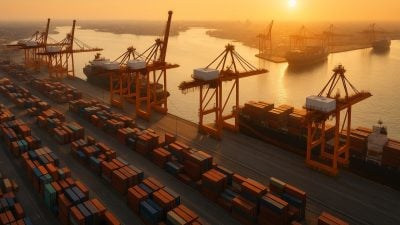
The Strait of Hormuz is a narrow channel between Iran and Oman, connecting the Persian Gulf to the Gulf of Oman. Tankers moving crude from Saudi Arabia, Iraq, Kuwait, and the United Arab Emirates pass through it daily. Closing it blocks a critical artery for global energy markets.
Iran's decision came after US airstrikes hit targets inside the country. The exact scope of the strikes and the reason for the closure remain unclear, but the Strait's shutdown is one of the most aggressive responses Tehran could take.
Oil Price Outlook
Prediction markets, where traders bet on future events, now give a 46% probability that West Texas Intermediate crude will hit $90 a barrel by July 2026. That's a notable shift, though the market had already priced in some risk of disruption. The closure could accelerate that timeline, but the probability is far from certain.
WTI crude traded around $75 before the announcement. The Strait's closure could push prices higher in the short term, depending on how long it lasts and whether other producers can reroute supplies.
What Happens Next
The duration of the closure is unknown. Iran has not said when it might reopen the waterway, and the US has not publicly responded to the shutdown. Oil markets will watch for any diplomatic moves or military escalation that could change the situation.
For now, the Strait of Hormuz remains closed, and the world's oil supply chain faces its biggest test in years.