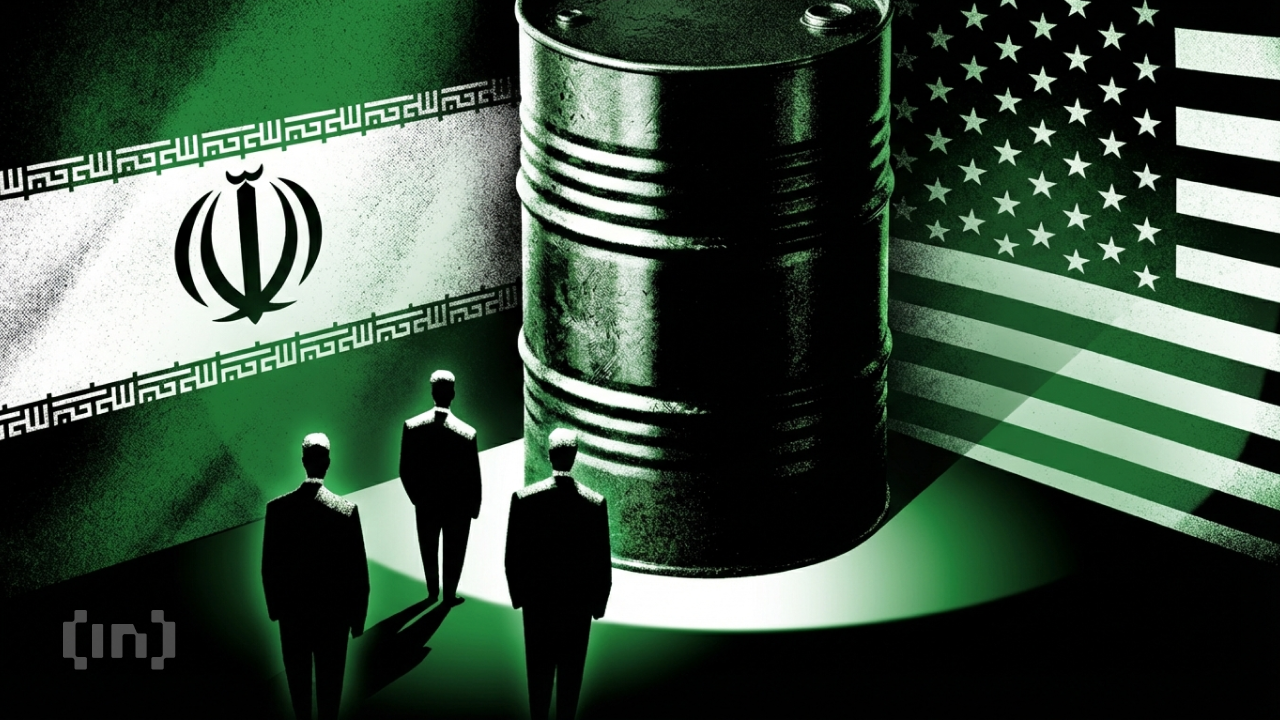
The United States' emergency oil stockpile has fallen to its lowest level since the Reagan administration, according to government data released this week. The Strategic Petroleum Reserve now holds roughly half the crude it did just three years ago, leaving the country with a thinner buffer against supply disruptions. The decline raises new concerns about economic vulnerability and could feed into inflation pressures that have already strained household budgets.
A shrinking strategic buffer
The reserve, stored in underground salt caverns along the Gulf Coast, was created after the 1970s oil shocks to protect the U.S. economy from sudden supply cuts. For decades, it held around 700 million barrels. Recent drawdowns, including emergency releases to calm energy markets after Russia's invasion of Ukraine, have drained it to levels not seen since the early 1980s. The Energy Department has not disclosed a timeline for refilling the caverns, and current budget constraints make large-scale purchases unlikely in the near term.
The diminished stockpile means the U.S. now has less than 30 days of import cover at current consumption rates, down from the 90-day target recommended by the International Energy Agency. That gap leaves the country more exposed to any future supply shocks, whether from geopolitical turmoil, hurricanes, or pipeline outages.
Inflation and energy security
A smaller emergency reserve also carries direct economic risks. If a supply crisis forces the government to release oil again, the remaining barrels would go further but the psychological impact on markets could be sharper. Traders may price in a higher risk premium on crude, pushing up gasoline and diesel costs for consumers. That dynamic could complicate the Federal Reserve's fight against inflation, which has already proven stubborn above its 2% target.
Energy security strategies become harder to plan when the primary emergency tool is depleted. The reserve has historically been used as both a crisis response and a diplomatic lever. With less oil in the tanks, Washington's ability to calm global markets unilaterally is reduced. Lawmakers in both parties have raised questions about replenishment, but no legislation has advanced to fund new purchases.
The administration has not announced a concrete plan to rebuild the reserve. Oil prices remain volatile, and buying at current levels would be expensive. For now, the country's emergency cushion sits at its thinnest in four decades, and the question of how to restore it remains unanswered.