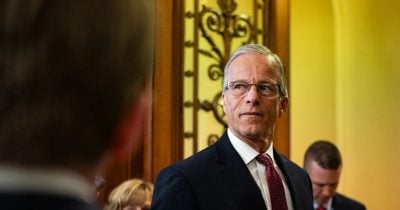
A former Google software engineer was charged this week with commodities fraud, wire fraud, and money laundering for allegedly using confidential internal data to place winning bets on Polymarket. The Department of Justice says Michele Spagnuolo — known on the platform as AlphaRaccoon — accessed nonpublic Google 'Year in Search' data to make about $1.2 million in profits between October and December last year. The CFTC filed a parallel civil complaint, accusing Spagnuolo of insider trading violations under the Commodity Exchange Act.
How the insider data was accessed
Prosecutors say Spagnuolo pulled data from Google's internal systems, which displayed a 'Google Confidential' warning banner. He then used that information to place bets on at least 23 Google-related prediction markets on Polymarket. The markets covered topics like who would be the most searched person and the top five most searched people in 2025.
On October 15, Spagnuolo reviewed internal data showing Kendrick Lamar as the likely top searched person. The next day he placed trades backing Lamar and betting against Pope Leo XIV. By November 27, updated data showed that musician d4vd had overtaken Lamar. Within three hours, Spagnuolo shifted his bets to favor d4vd — even though the market odds still favored the original frontrunner.
23 bets on search popularity
Between October 15 and December 4, the AlphaRaccoon account risked roughly $2.75 million across the Google Year in Search markets. When Google publicly released the results on December 4, the account generated approximately $1.2 million in profits. That's a tidy 44% return — but one built on allegedly stolen information.
Attempts to hide the crypto trail
After cashing out, Spagnuolo allegedly tried to cover his tracks. He moved the crypto through multiple wallets, used decentralized swapping services, and routed funds through a privacy-focused transfer service. Federal investigators were able to follow the chain anyway.
Parallel CFTC action
The CFTC's civil complaint mirrors the criminal charges, seeking penalties and restitution. This isn't the first time prediction market regulators have taken action this year. In April, rival platform Kalshi banned three US political candidates for betting on their own elections, issuing fines and five-year bans. The message to insiders is getting harder to ignore.
Spagnuolo's case now heads to court. The question hanging over the industry: how many more AlphaRaccoons are out there, and how long before platforms are forced to police their markets like stock exchanges?