Iran announced this week that it will accept Bitcoin and Tether (USDT) as payment for transit fees in the Strait of Hormuz, while also offering fee exemptions to Chinese and Russian vessels. The move could reshape shipping costs in one of the world's most critical energy chokepoints and inject new volatility into cryptocurrency markets.
How the policy works
Under the new rules, vessels passing through the Strait of Hormuz can pay tolls using Bitcoin or USDT. Chinese and Russian ships are exempt from fees entirely. The policy applies to all transits through the strait, which handles roughly a fifth of global oil consumption daily.
Energy market implications
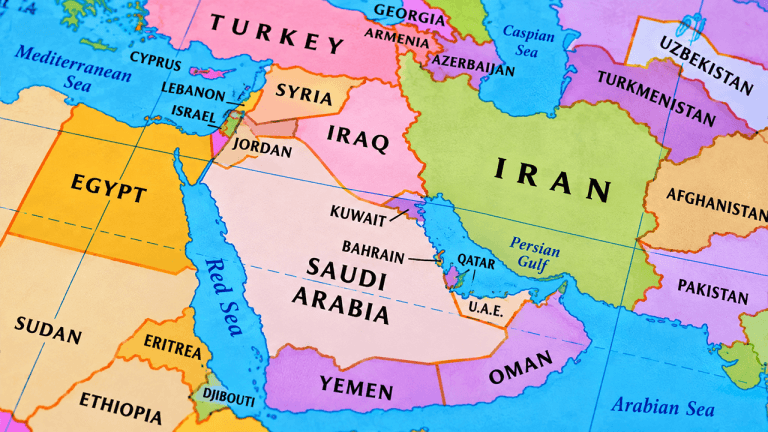
The Strait of Hormuz is a narrow waterway between Iran and Oman, through which about 20% of the world's oil passes. By exempting China and Russia — two of Iran's key allies — Tehran is effectively lowering their shipping costs while potentially raising costs for others. The move could strain global energy costs if other nations retaliate or if insurance premiums rise for non-exempt vessels.
Crypto market complications
Accepting crypto for tolls introduces a new variable. Iran has used Bitcoin for imports before, but this is the first time it has tied a major strategic asset — the strait — to digital currencies. The policy could complicate cryptocurrency markets by linking them to geopolitical tensions. If sanctions or disputes arise, crypto payments could become a flashpoint.
What comes next
Shipping companies and insurers are expected to review their policies for transiting the strait. The Iranian government has not set a start date for the crypto payment system, but the exemption for Chinese and Russian vessels is effective immediately. How other Gulf states respond will determine whether the policy remains a bilateral perk or escalates into a broader trade dispute.