Bitcoin and ether are trading in ranges where market makers and dealers may end up adding to volatility rather than dampening it. That's the quiet risk sitting under both assets right now, and it has less to do with headlines than with how the plumbing around the order book works.
Why dealers matter when prices chop
Market makers are supposed to smooth things out. They quote both sides, take the other end of customer trades, and generally profit from the spread while keeping their own books balanced. But when price sits in a range without a clear direction, that job gets harder. Dealer inventories drift. Risk limits bite. And the hedging that normally absorbs a move can start to reinforce it instead.
The setup isn't a prediction of a crash. It's a warning about mechanics. In a tight range, the same dealers who usually lean against a move may find themselves short of capacity to do so, and the resulting flows can exaggerate whatever direction the market picks.
What 'amplify' actually means
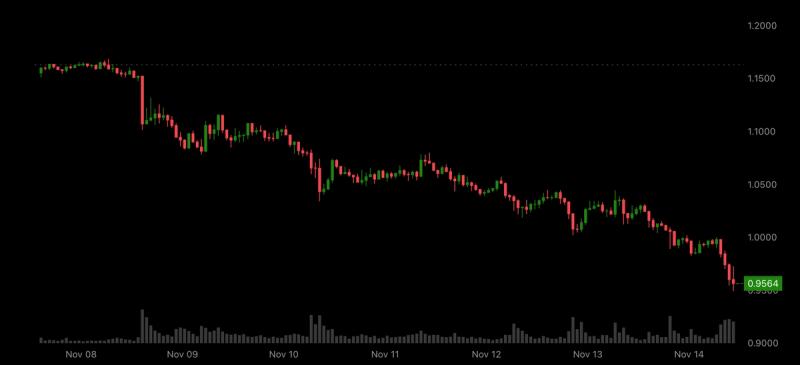
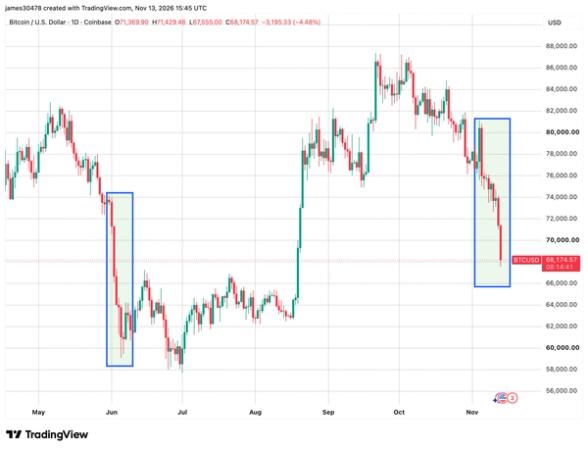
When market makers add to volatility, it shows up as faster, sharper moves on relatively little news. A push through one side of the range can trigger hedging that pushes further in the same direction. The round trip can be violent even if the broader price level doesn't change much.
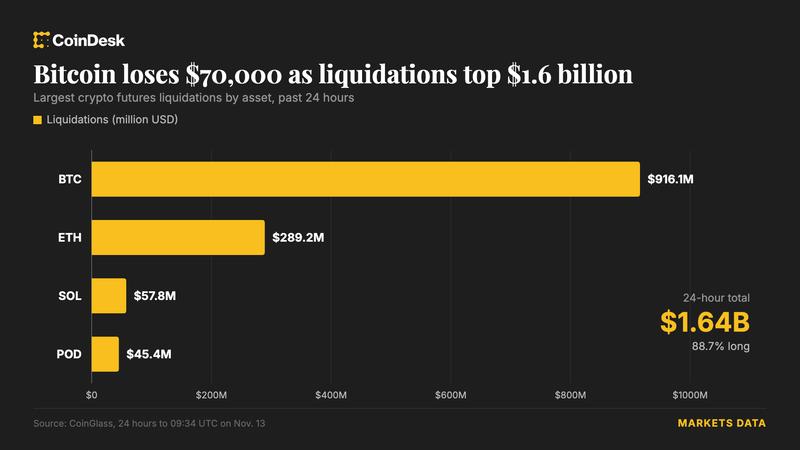
That matters for anyone trading the chop. Stops get hit. Liquidations cluster. And the tape can look disorderly without any single catalyst to point to. The cause is structural, not narrative.
The range itself is the problem
Bitcoin and ether have both been stuck in ranges, and ranges are where dealer books get uncomfortable. There's no trend to lean on, no clean momentum to hedge against. Positions that looked fine at one end of the band look wrong at the other. The result is a market where the marginal flow can move price more than it should.
None of this is visible on a price chart. It's the kind of thing you only notice after the fact, when a quiet session turns into a fast one and nobody can quite explain why.
What to watch
The concrete thing to track is whether either asset breaks cleanly out of its current range. A decisive move would let dealers re-hedge and reset their books, which tends to reduce the amplification effect. Continued chop keeps the risk alive.
Until then, expect the tape to stay twitchy. The mechanism is in place, and it doesn't need a headline to fire.