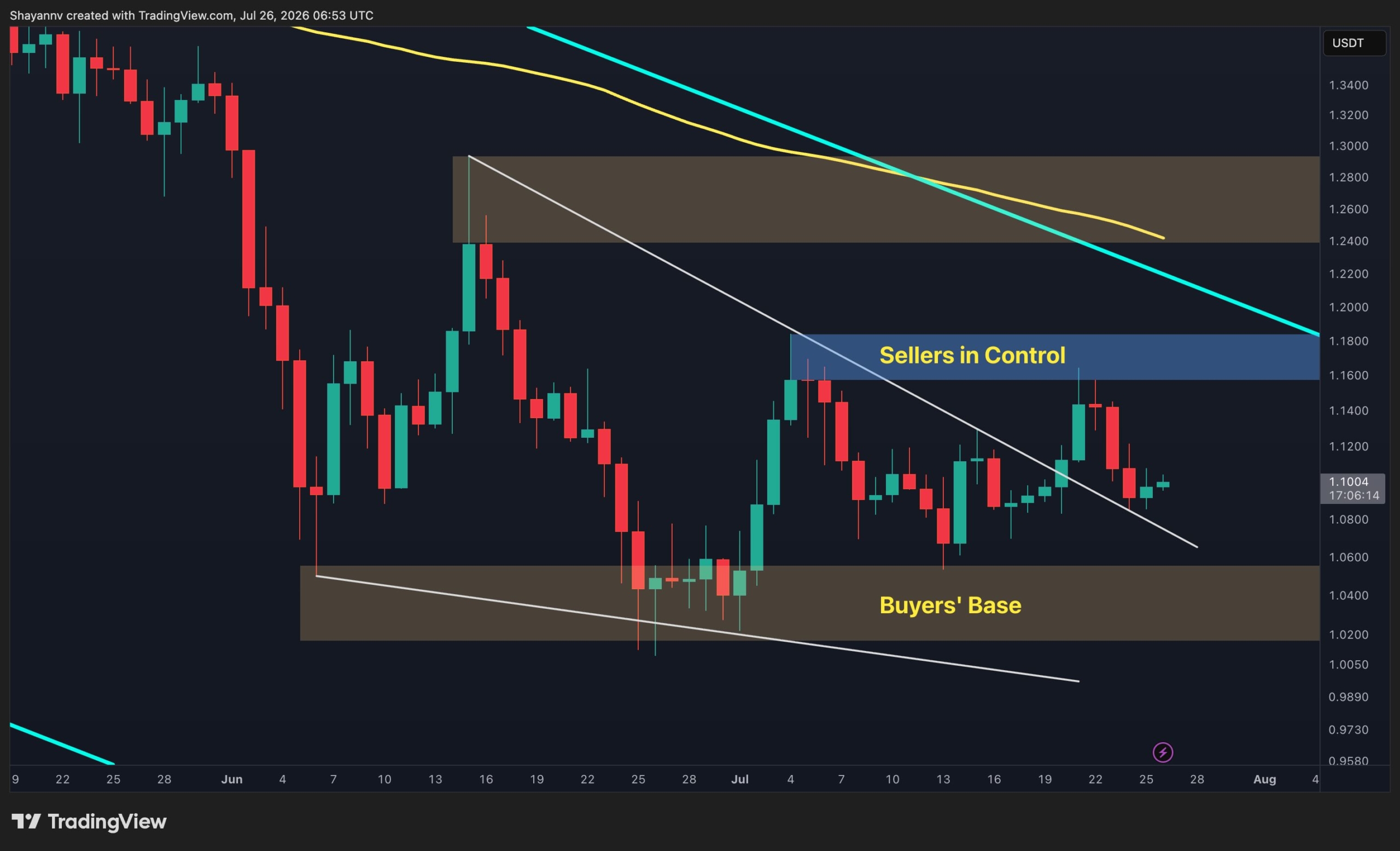
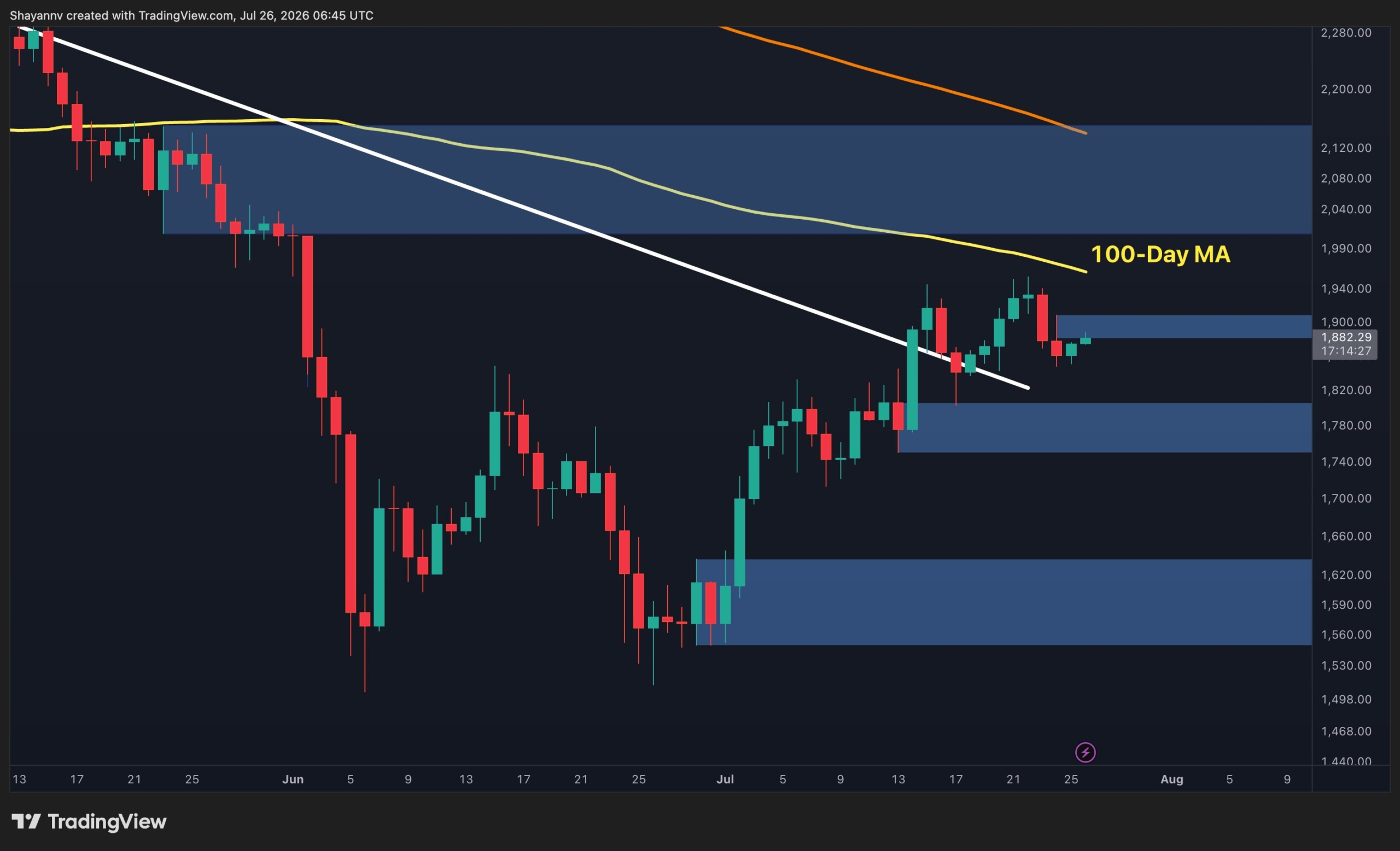
The NEAR blockchain's on-chain governance body, House of Stake, has approved a proposal that scraps the protocol's developer gas rebate program. Proposal HSP-027 passed with enough support to take effect, meaning all network gas fees will now be burned instead of partially returned to smart-contract owners. NEAR co-founder Illia Polosukhin confirmed the outcome on Monday.
What the proposal changes
Under the old system, a portion of gas fees paid by users went back to the developers who wrote the smart contracts being called. That rebate was designed to incentivize building on NEAR. HSP-027 eliminates that rebate entirely. From now on, every unit of gas spent on transactions will be burned — permanently removed from circulation. The change applies to all smart contracts on the network.
Why the shift to burning
The move aligns NEAR with a broader trend in crypto where networks burn fees to reduce token supply and potentially increase scarcity. By burning all gas fees, the protocol aims to create deflationary pressure on the NEAR token. The House of Stake, NEAR's on-chain governance body made up of token holders who stake their coins, voted on the proposal and decided the rebate was no longer necessary or beneficial for the network's long-term economics.
Impact on developers and users
For developers who built applications on NEAR, the change removes a direct financial incentive. They will no longer receive a cut of the gas fees their contracts generate. That could make it less attractive to build on NEAR compared to chains that still offer rebates or other rewards. For regular users, the change is invisible — they still pay the same gas fees for transactions. But if developers leave or raise their own fees to compensate, users could eventually feel the pinch.
The burning mechanism itself is not new. NEAR already burned a portion of fees; this proposal just increases the burn rate to 100% of all fees. The exact impact on token supply will depend on network activity. More transactions mean more tokens burned, which could support the token price over time.
What comes next
The proposal is now live and the changes are being implemented. Developers on NEAR will need to adjust their expectations and possibly their business models. The House of Stake could revisit the decision in the future if the economic effects prove too harsh. For now, the network is moving to a full-burn model, and the community will watch how it affects both developer activity and token economics in the coming months.