Bahrain and Kuwait carried out direct military strikes on Iran in early July 2026, a sudden and sharp escalation that carries serious implications for global oil markets. The coordinated attack, launched from both countries, marks the first time either of the two Gulf states has conducted offensive operations directly against Iranian territory.
Why the strikes matter
The action breaks a long-standing pattern of proxy confrontations in the region. Both Bahrain and Kuwait host US military facilities and are part of the American-led coalition, but they have not previously taken part in direct strikes on Iran. The escalation raises the risk of a broader military confrontation that could draw in other regional powers and disrupt the flow of crude oil.
Oil markets on edge
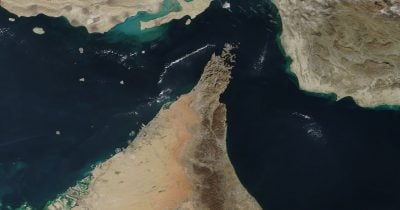
The timing of the strikes is particularly sensitive. The Gulf region is home to some of the world’s largest oil producers and key shipping lanes. Any conflict involving Iran threatens to cut off or delay tanker traffic. Traders are already watching for signs of retaliation that could push prices higher. The full impact on supply chains will depend on Iran’s response and the reaction of other Gulf Cooperation Council members.
No immediate retaliation
As of the first hours after the strikes, Iran had not publicly announced any counterstrike. The United Nations Security Council is expected to convene an emergency session. Neighboring countries have called for restraint, but the situation remains fluid. For now, the region waits to see whether this is a one-time operation or the beginning of a sustained campaign.