China is continuing to import Iranian crude oil in defiance of U.S. sanctions, a move that comes just weeks before President Xi Jinping is expected to meet President Donald Trump. The oil purchases are raising tensions between the two nations and could complicate the high-stakes diplomatic talks.
A deliberate snub ahead of talks
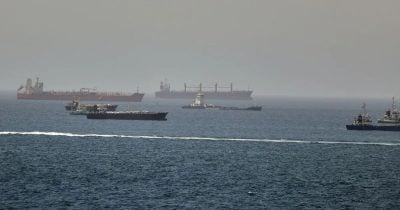
Beijing's decision to keep buying Iranian oil isn't a quiet backroom deal. It's an open challenge to Washington's policy of maximum pressure on Tehran. U.S. sanctions ban any country from purchasing Iranian crude, but China has been the biggest customer for years. Satellite tracking data and shipping records show tankers continue to offload at Chinese ports, often with the help of a shadow fleet that obscures the origin of the cargo.
Trump administration officials have repeatedly warned that companies or countries facilitating Iranian oil sales could face secondary sanctions. But Beijing isn't blinking. Chinese state-owned refineries are still processing the crude, and no major crackdown has been announced by either side.
Oil trade continues despite pressure
The trade is not small. Iran has been exporting roughly 1.5 million barrels per day for much of the past year, with China taking the lion's share. By flouting the sanctions, China is effectively undermining one of the Trump White House's central foreign policy tools against Iran. The timing is particularly pointed: the purchases are happening as economic advisers from both countries prepare for the Xi-Trump summit, which was expected to focus on trade imbalances and tariff rollbacks.
Now the oil issue will almost certainly be on the table. U.S. negotiators may demand that China halt Iranian imports as a condition for any trade deal. But China has its own leverage—it holds billions in U.S. Treasury bonds and is a critical market for American goods like soybeans and aircraft.
Diplomatic complications for both sides
For Xi, the defiance sends a message that China won't be pushed around on energy security. For Trump, any failure to enforce the sanctions risks looking weak ahead of his reelection campaign. The summit was already going to be delicate, with both leaders trying to claim wins for their domestic audiences. Adding a sanctions standoff on top of a trade war could push the talks past a breaking point.
Neither government has publicly confirmed the oil purchases, and no official statements have been issued. But the shipping data is clear. The question now is whether the summit produces a real change in behavior—or just more public posturing.