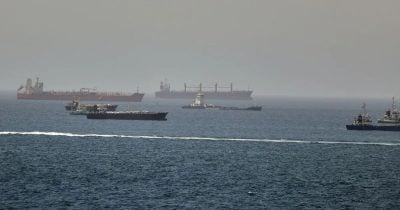
The United States has quietly revised its rules of engagement in the strategic Strait of Hormuz, a move that sharply escalates military tensions in one of the world's most vital maritime chokepoints. The change, confirmed by defense officials, signals a more aggressive posture toward any perceived threats in the waterway through which roughly a fifth of the world's oil passes.
What the new rules mean on the water
Under the updated orders, US Navy vessels and aircraft can now respond with greater force and less warning to provocations from Iranian patrol boats, drones, or other assets. Previous guidelines required a series of graduated warnings and de-escalation steps before opening fire. The new stance lowers that threshold, effectively authorizing commanders to engage faster and more decisively if they deem a threat imminent.
The Pentagon has not publicly detailed every change, but the shift is understood to apply to both defensive and pre-emptive action. That marks a departure from years of carefully calibrated rules designed to avoid accidental conflict in the narrow waterway.
Why the Strait of Hormuz matters to global trade
About 17 million barrels of crude oil and petroleum products move through the strait each day, along with liquefied natural gas from Qatar and other Gulf states. Any sustained disruption—even a short-lived one—would send energy prices sharply higher and rattle supply chains that rely on just-in-time deliveries.
Insurance premiums for tankers transiting the strait have already edged up, and shipping companies are quietly reviewing contingency routes. The alternative, a longer journey around the Arabian Peninsula, adds days to deliveries and raises costs for everything from gasoline to plastics.
Analysts at several energy consultancies have warned that a single military incident could trigger a cascading effect, forcing tankers to reroute and spiking volatility in futures markets. The United States and its allies have built up naval presence in the region, but the new engagement rules raise the odds that a misunderstanding or miscalculation could spiral into open conflict.
Regional reactions and the risk of broader war
Iran has not yet formally responded to the change, but its naval commanders have previously warned that they view any alteration of the status quo as a provocation. Tehran has invested heavily in small fast-attack boats, mines, and anti-ship missiles designed to close the strait in a crisis.
The risk is that a skirmish—a warning shot, a collision, a drone strike—draws in other powers. Saudi Arabia, the United Arab Emirates, and Iraq all depend on the waterway for their oil exports. China and India are the largest buyers of Gulf crude, and both have naval interests in the region.
Military experts note that the new rules do not by themselves cause a war, but they lower the threshold for violence at a moment when diplomatic channels remain largely frozen. Negotiations over Iran’s nuclear program have stalled, and no direct talks between Washington and Tehran are scheduled.
The coming weeks will show whether the tougher rules force Iran to back down, provoke a deliberate retaliation, or simply increase the chance of an accidental exchange that neither side wants but neither can easily stop.