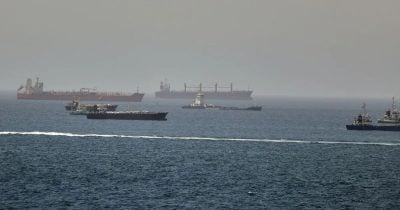
Iran fired missiles in the vicinity of the Persian Gulf on Tuesday, a move that ratchets up friction with the United States at a time when both sides have been trading threats. The launch, which took place near strategic waterways, comes amid a broader standoff over Iran's nuclear program and American military posture in the region.
What the launch signals
Military analysts tracking the region say the missile test was likely intended to demonstrate Iran's ability to strike targets in and around the Gulf, a key conduit for global oil shipments. No damage or casualties were reported, and the missiles did not appear to target any specific vessel or installation. Still, the timing underscores Tehran's willingness to flex its military muscle as diplomatic channels remain frozen.
The Persian Gulf has long been a flashpoint. Iran has previously conducted similar tests during periods of heightened tension, but each new launch carries the risk of miscalculation. The U.S. Navy's Fifth Fleet, based in Bahrain, routinely patrols the area. So far, there's been no official reaction from Washington beyond standard monitoring statements.
Broader context of the standoff
Relations between Iran and the U.S. have been deteriorating for months. The Biden administration has kept in place tough sanctions first reimposed under President Trump, while Iran has accelerated enrichment of uranium beyond limits set by the 2015 nuclear deal. Talks to revive that agreement collapsed last year. Since then, both sides have taken steps that edge closer to confrontation.
Last week, the U.S. sent additional fighter jets to the region, a move Iran called provocative. In response, Iranian officials warned they could disrupt shipping if attacked. Tuesday's missile launch fits that pattern of retaliation by demonstration.
What comes next
No immediate military escalation is expected, but the launch complicates any behind-the-scenes efforts to restart negotiations. Iran's foreign ministry has not commented on the test. The United Nations Security Council is scheduled to hold a closed-door briefing on the situation later this week. Whether that meeting produces a statement or remains deadlocked depends on Russia and China, both of which have blocked earlier resolutions critical of Iran.
For now, the Persian Gulf remains calm on the surface — but the missiles sent a clear message that Tehran is prepared to raise the stakes.