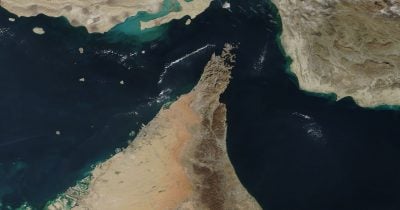
Iran has slapped a $2 million fee on any vessel transiting the Strait of Hormuz. The toll, announced without warning, is aimed directly at US military and commercial operations in the strategic waterway. The move threatens to redraw the balance of power in the region and throw a wrench into Washington's diplomatic efforts.
What the toll means for shipping
The flat $2 million charge applies per passage through the strait, a narrow chokepoint that carries about a fifth of the world's oil. For American warships, tankers, and cargo vessels, the cost adds up fast. Iran says the fee is a response to what it calls unfair use of the waterway. US officials haven't commented publicly yet, but the toll is expected to hit Navy patrols and commercial shipping hard. Companies that rely on the strait for crude exports or supply routes now face a sudden new expense, with no sign of a waiver.
Regional power shifts
By asserting control over the Strait of Hormuz, Iran is signaling it can disrupt global energy flows at will. Neighboring Gulf states — Saudi Arabia, the UAE, Oman — have long worried about Tehran's ability to close the strait. Now Iran has found a way to monetize that threat without a full blockade. The toll shifts the regional dynamic: smaller Gulf nations may feel pressured to side with Iran or pay the price themselves. For the US, a key ally in the region, the move weakens its leverage and forces a choice between paying up or confronting Iran directly.
Diplomatic complications
The timing couldn't be worse for American diplomacy. The Biden administration has been trying to revive nuclear talks and calm tensions across the Middle East. Iran's toll complicates that effort. European and Asian trading partners, already frustrated by sanctions and shipping delays, now have another reason to question US reliability in the region. The toll essentially creates a financial barrier to US freedom of navigation, a principle Washington has defended for decades. How the US responds will set a precedent — either it pays, challenges the fee, or reroutes vessels through longer, more expensive alternatives.
There's no word yet on whether the toll applies to non-US vessels or if Iran plans to enforce it with inspections or force. The strait remains open, but the price of passage just went up.