The Iran-Oman transit route is expected to be viable for a period of two to four months, offering a potential window to ease tensions in the region. The corridor could stabilize regional trade and geopolitical relations, and may also influence global energy markets during that time.
Why the Route Matters
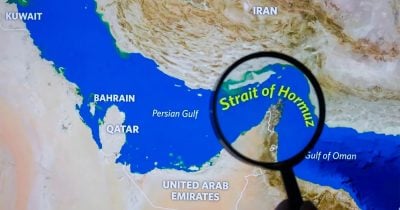
Iran and Oman share maritime borders along the Strait of Hormuz, a critical chokepoint for global oil shipments. The new transit route provides an alternative pathway for goods and energy supplies, reducing reliance on the often-tense waters near the strait. By offering a direct link between Iranian and Omani ports, the route could help de-escalate frictions that have periodically disrupted shipping and trade in the Gulf.
The timing is notable. The route's limited window of two to four months suggests it is designed as a short-term measure, possibly to allow for broader diplomatic talks or to test the feasibility of a more permanent arrangement. Regional stakeholders are watching closely to see if the corridor can deliver on its promise of stability.
Potential Impact on Energy Markets
Global energy markets are sensitive to any disruption in the Gulf region. The Iran-Oman transit route could provide a secure passage for oil tankers, potentially easing supply concerns and stabilizing prices. If the route functions smoothly, it might reduce the risk premium that traders have baked into crude prices due to geopolitical uncertainty.
However, the two-to-four-month window means any market impact is likely temporary. Energy analysts will be monitoring whether the route actually carries significant volumes of oil or gas, and whether it can be extended beyond the initial period. The route's influence on global energy markets will depend on its actual usage and the broader political climate.
A Temporary Fix With Broader Implications
The route is not expected to be a permanent solution, but it could buy time for more comprehensive agreements. The easing of tensions in the region could open the door for further economic cooperation between Iran and its neighbors. For now, the focus is on making the transit corridor work within its limited timeframe.
The viability of the route will be tested in the coming months as trade flows through it and as geopolitical dynamics evolve. Whether the corridor becomes a stepping stone to lasting stability or remains a brief experiment remains an open question.